
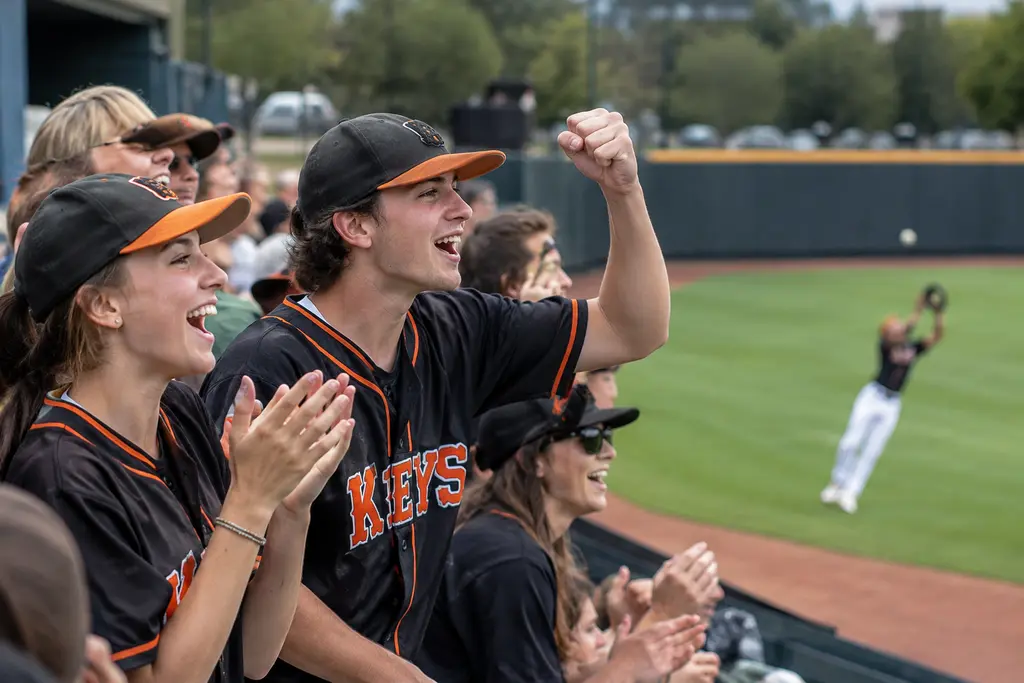
The Frederick Keys Return to affiliated baseball in 2026 was more than a schedule change. It reconnected Frederick with the Baltimore Orioles’ player-development system, reopened a local Minor League Baseball identity that had been absent from affiliated play since 2020, and placed a renovated ballpark at the center of the club’s relaunch.
That combination matters historically because minor league affiliations are not only branding arrangements. They shape player movement, coaching priorities, facility standards, and the daily relationship between a community and a parent club. In Frederick’s case, the move came with a defined Orioles role, a rebuilt stadium, a prospect-heavy roster, and a winning season that gave the change immediate competitive weight.
Why The Frederick Keys Return Mattered
Frederick Keys Return And Affiliate Continuity
On August 1, 2025, Attain Sports announced that Frederick would re-affiliate with the Baltimore Orioles as the organization’s High-A affiliate beginning with the 2026 season. The announcement marked the club’s first season back in affiliated professional baseball since 2020, according to MLB’s report. The same reorganization moved the Aberdeen IronBirds, also owned by Attain Sports, into the MLB Draft League while Frederick took Aberdeen’s prior High-A role. The team names and identities remained in place.
The Frederick Keys Return also restored a familiar developmental link between the city and the Orioles. From a historical standpoint, that is significant because affiliation gives a minor league club a defined place in a major league organization’s ladder. Players are not assigned to fill an independent roster. They are placed there as part of an organizational plan, with playing time, defensive positioning, pitching usage, and promotion paths tied to Baltimore’s broader development goals.
The Schedule As A Civic Marker
The 2026 home schedule gave the reaffiliation a public shape. Frederick’s schedule included 66 home games, and the home opener was played on Tuesday, April 14, 2026, against the Hudson Valley Renegades. The season was split into two halves, with the first half ending on July 12 and the second half ending on September 6.
Those dates matter because minor league baseball works as a recurring civic event. A long home schedule gives a city repeated points of contact with the club: weekday games, weekend series, youth baseball nights, group outings, and non-game gatherings around the stadium district. The available research does not provide attendance totals or independent economic impact figures, so the measurable claim should be kept narrow. What can be stated is that affiliated baseball returned with a full High-A home calendar and a renewed Orioles connection.
Stadium Investment And Local Use
Renovation Details At Nymeo Field
Nymeo Field at Harry Grove Stadium was central to the move back into affiliated baseball. The ballpark underwent a $39.1 million renovation, with a groundbreaking on May 14, 2025, and completion in May 2026. The project upgraded clubhouses, bullpens, batting cages, concourses, and other areas to meet MLB’s Professional Development League standards, as detailed in the City of Frederick renovation record.
Facility standards have become a defining part of modern minor league structure. A High-A club must serve two audiences at once: paying fans and developing players. Larger concourses and hospitality areas affect the fan experience, while clubhouses, bullpens, and batting cages affect the work environment for players and coaches. The renovation therefore should be read as both a community project and a player-development project.
Community Uses Beyond The Box Score
The research record also points to community-facing changes tied to the renovated venue, including expanded amenities, new hospitality spaces, an emphasis on affordable family-friendly pricing, and the use of the stadium for non-game events such as a Wizard of Oz drone show. Those details show that the ballpark’s function was not limited to 66 home dates.
That distinction is important for evaluating the Frederick Keys Return without overstating it. The research supports a clear infrastructure story and a clear community-use story. It does not, on its own, establish exact local revenue totals, job counts, or tourism gains. For readers tracking related sports and local-interest sites, this regional sports directory can place clubs like Frederick within a broader network of regional baseball coverage.
Player Development Value For Baltimore
Prospect Concentration In High-A
The 2026 roster gave Frederick fans direct exposure to Baltimore’s development pipeline. The researched roster accounts identified several notable Orioles prospects with the Keys, including Nate George, listed as No. 1; Ike Irish, listed as No. 6; Wehiwa Aloy; Vance Honeycutt; and left-hander Joseph Dzierwa. That group made the High-A assignment more than a symbolic affiliation.
High-A is often a testing level for players moving beyond early professional acclimation. Hitters may face more refined breaking balls and more consistent defensive positioning. Pitchers may be asked to hold velocity, repeat deliveries, and work deeper into competitive plans. The research does not provide player-by-player statistical outcomes, so it would be unsound to assign developmental credit for specific improvements. The supported point is narrower: Frederick became a visible stage for several prominent Orioles prospects in 2026.
Rehab Assignments And Evaluation
Another sign of Frederick’s role in the Orioles’ system came early in the first home stand. Jackson Holliday had a rehab assignment with Frederick on April 18 and April 19, 2026. That assignment illustrated how the club could be used within the broader player pipeline, not only for full-season prospects but also for major league players working through an official assignment.
Rehab assignments have practical value for an affiliated club. They bring major league attention to a minor league park, create a temporary roster dynamic, and place the local team inside the parent club’s active baseball operations. No medical inference should be drawn from the assignment dates alone. What the dates do show is that Frederick’s role in 2026 included both prospect development and short-term major league support.
Competitive Results In 2026
First-Half Clinch And Playoff Return
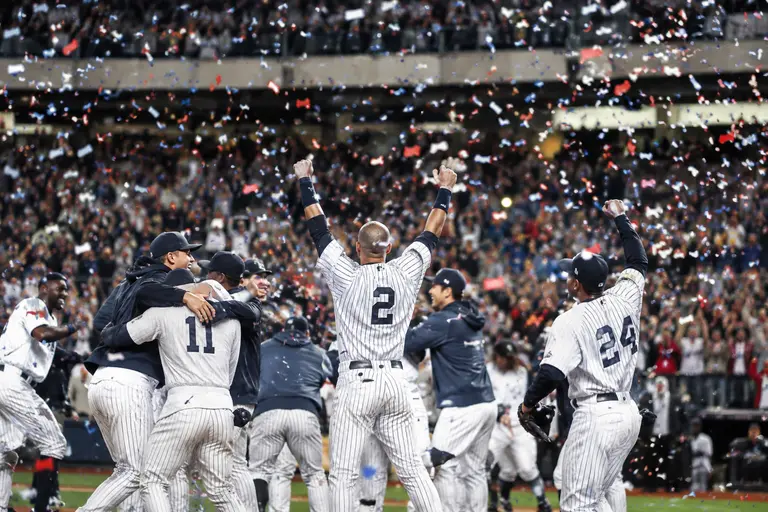
The club’s on-field performance gave the reaffiliation a stronger historical profile. Frederick clinched its first playoff berth since 2017 by winning the North Division’s first half with a 41-23 record. The clinch was completed with a 6-5 win over the Hub City Spartanburgers on June 18, 2026.
That result mattered because the first season back could have been judged only by infrastructure and attendance interest. Instead, the Keys also produced a competitive marker. A first-half division title in a split-season format secured postseason relevance before the second half began. For a returning affiliated club, that helped connect the new development role with winning baseball on the field.
Franchise Record Season
The Keys later set a new franchise record with 83 regular-season wins in 2026 and captured both halves of the South Atlantic League North Division. Those achievements gave the season a defined place in the club record book rather than leaving it as only a business or facility story.
The organization also made leadership changes after the season. On October 1, 2026, Slater Fuchs was elevated to Executive Vice President for Attain Sports, overseeing all properties, and Branden McGee was named General Manager of the Frederick Keys. The timing followed a franchise-record season and the completed reintroduction of affiliated baseball to Frederick.
What The Frederick Keys Return Meant For Frederick
A Reaffiliation With Limits And Clear Evidence
The Frederick Keys Return can be measured through several supported facts: the Orioles High-A affiliation was restored for 2026, Nymeo Field received a $39.1 million renovation completed in May 2026, the home schedule included 66 games, the roster featured several notable Orioles prospects, and the club won 83 regular-season games while reaching the playoffs for the first time since 2017.
The cautious reading is the strongest one. Frederick’s return to affiliated baseball did not automatically prove every claimed economic benefit, at least not from the facts provided here. But it did show how modern minor league baseball depends on alignment among ownership, parent-club development needs, public-facing facilities, and local identity. In 2026, those pieces came together in a way that made Frederick’s reaffiliation both historically notable and operationally meaningful.