

By Tyler Rhodes | May 6, 2026
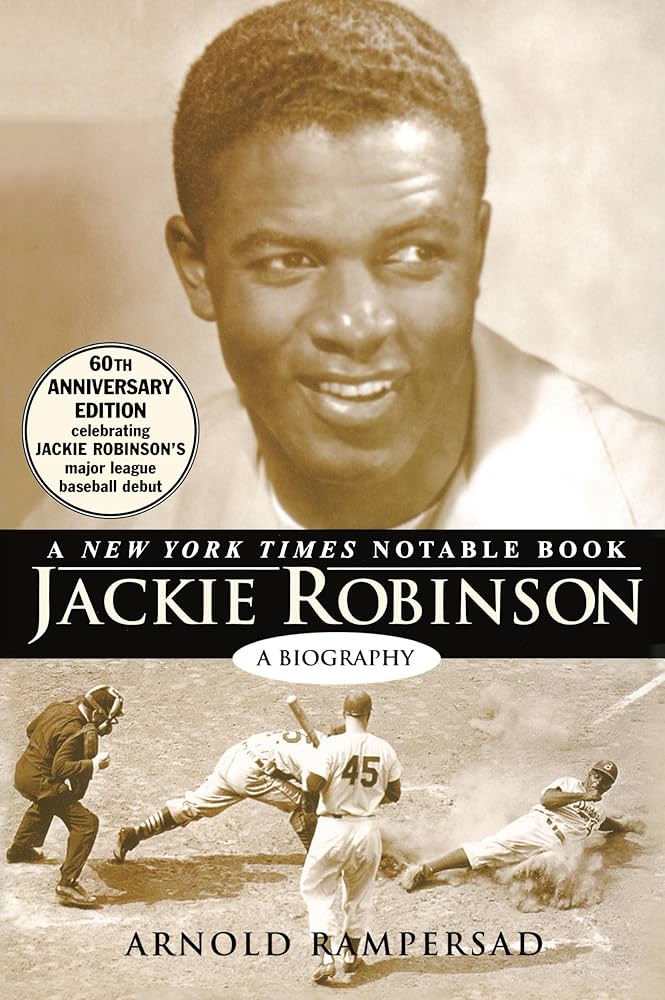
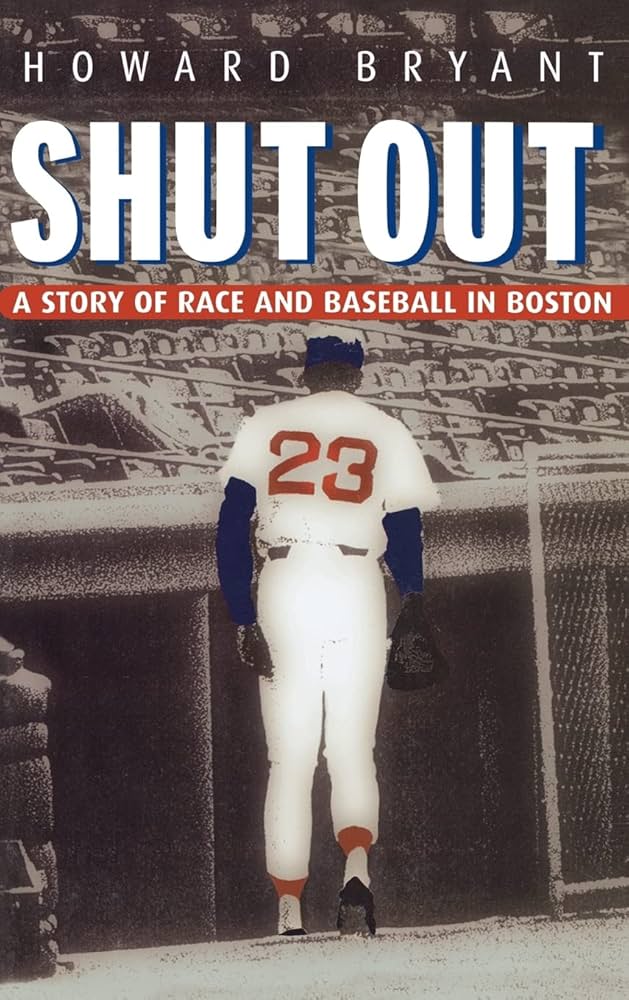
Every April 15, Major League Baseball orchestrates a polished, uniform celebration where every player wears the number 42. Networks air highlight packages set to triumphant music, a ritual that serves a clear marketing purpose. Reading the foundational literature on baseball integration offers a necessary counterweight to this sanitized corporate narrative. Opening books like Arnold Rampersad’s Jackie Robinson: A Biography or Howard Bryant’s Shut Out forces us to confront the protracted battle for civil rights that happened directly on the diamond. These authors refuse to let the sport off the hook. They document a system built on exclusion and the immense human toll extracted from the men who forced a change.
The Weight Of The Pioneer
Rampersad’s biography of Robinson stands as the definitive text on the subject. He strips away the mythological aura surrounding the Brooklyn Dodgers infielder, presenting a man carrying the collective psychological weight of an entire race. We read about the death threats, the isolation, and the agonizing restraint demanded by Branch Rickey. The statistical reality is stark. In 1947, Robinson faced pitchers who actively aimed for his head and baserunners who spiked him with intent to injure.
The literature demands we recognize this action as a sustained act of political resistance. Writers covering this era highlight how Robinson’s success laid the groundwork for the broader Civil Rights Movement, a concept thoroughly documented by historians at the Negro Leagues Baseball Museum. The printed record proves that Robinson did not just play the game; he survived it.
Institutional Resistance And The Boston Red Sox
The narrative of integration frequently implies a swift, league-wide acceptance after Robinson’s debut. Howard Bryant’s Shut Out: A Story of Race and Baseball in Boston destroys this illusion. Bryant details the deep-seated, systemic racism of the Red Sox organization under Tom Yawkey. The team passed on signing Robinson and Willie Mays, remaining the last franchise to integrate when Pumpsie Green debuted in 1959.
Bryant focuses entirely on the executive suite and the local press. He exposes a culture of complicity that actively fought against progress. Sportswriters of the era functioned as an extension of the front office, refusing to challenge management on their exclusionary practices. The silence of the press corps allowed Yawkey to maintain a segregated roster years after the rest of the league moved forward.
Comparing the Literature of Integration
| Narrative Focus | Jackie Robinson: A Biography | Shut Out |
| Primary Subject | Individual resilience and personal cost. | Institutional racism and systemic failure. |
| Geographical Center | Brooklyn, New York. | Boston, Massachusetts. |
| The Opponent | Bigoted players and hostile crowds. | Front office executives and a complicit media. |
The Erasure Of Black Baseball
Reading about integration requires examining the collateral damage inflicted on Black communities. The arrival of Black stars in the white Major Leagues effectively destroyed the Negro Leagues. The literature details an extractive economic process. White owners raided Black rosters without compensating the Negro League owners, collapsing a defining economic engine.
The books preserve the nuanced feelings of triumph and loss from this era. The literature forces fans to confront the truth: integration was not a charitable gift from white executives. It was a grueling concession won by superior talent. This period represents the most profound landmark events in baseball history, permanently altering the demographic and moral trajectory of the sport.
Grade: A+ (Required Reading)
Best For: Social historians, civil rights scholars, and fans ready to look past the marketing campaigns to see the true cost of integration.