
By Avery Collins | May 14, 2026
In 2026, international superstars dominate the leaderboards and female coaches hold major league staff positions. The sport looks entirely different than it did fifty years ago. Reading the historical texts that document this painful expansion forces readers to recognize how aggressively the baseball establishment protected its borders. Traditional narratives framed the sport as an exclusively American, male pursuit. Authors who challenged this orthodoxy risked their professional reputations to document the truth. Two distinct literary movements track this cultural shift: the unearthing of women’s baseball history and the chronicling of the Japanese game. We read these books today to comprehend the collapse of the sport’s oldest barriers.
The Erased History of Women on the Diamond
For decades, the historical record simply ignored female players. Books covering the All-American Girls Professional Baseball League (AAGPBL) or pioneers like Toni Stone actively correct a deliberate omission. Reading early accounts of women in the sport reveals a constant tension between athletic legitimacy and forced performative femininity. League executives mandated skirts and charm school classes, treating the athletes as novelties rather than competitors.
Modern writers studying these Classic Baseball Books reject the novelty angle. They treat these women as tactical pioneers who played a grueling schedule under intense public scrutiny. The physical demands of the game remained identical, yet the players faced the added burden of societal hostility. Organizations like the National Women’s History Museum now validate what these authors argued for years: women have always owned a piece of the diamond. The printed record proves they endured systemic ridicule just to step onto the field.
Cultural Collision and ‘You Gotta Have Wa’
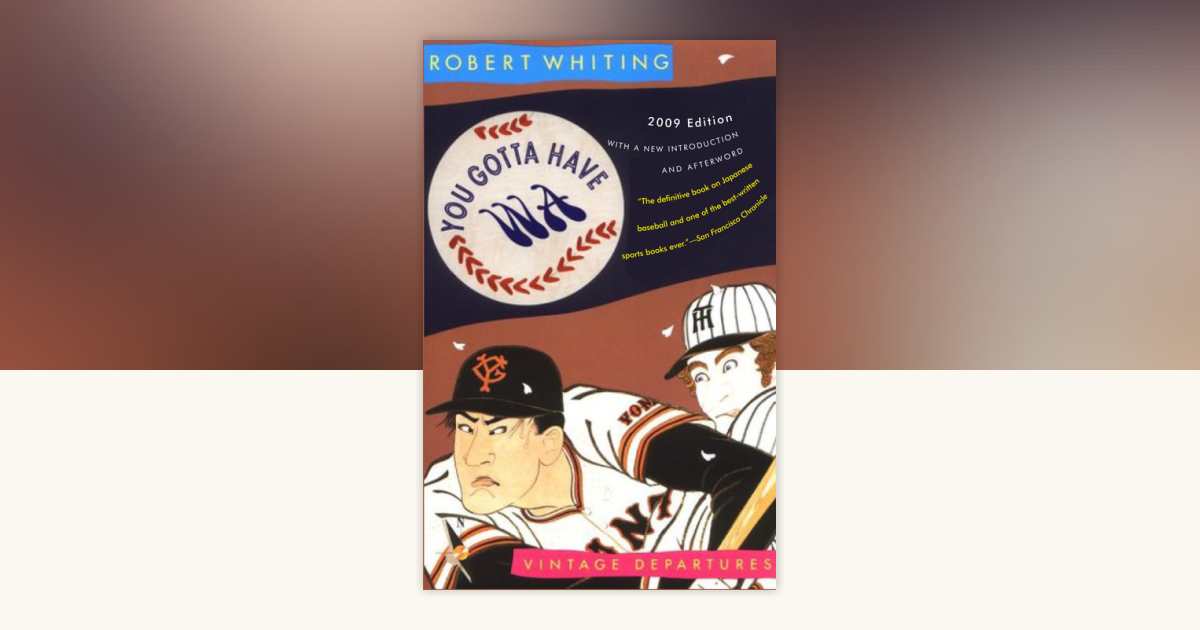
Robert Whiting’s 1989 masterpiece, You Gotta Have Wa, provides the definitive text on baseball’s globalization. Whiting translates an entire national psychology. The concept of “wa” means group harmony. This philosophy clashes violently with the hyper-individualistic American approach to the sport. Whiting details the hours-long practices and the absolute authority of the manager in Japanese culture.
American players arriving in Japan expected to dominate the league on pure physical talent. They quickly found themselves alienated, frustrated, and benched for failing to conform to the team’s spiritual ethos. Reading Whiting’s work today contextualizes the modern influx of Asian talent into the American leagues. Fans tracking the global footprint of the sport through resources like the World Baseball Softball Confederation see the direct result of the struggles documented in these pages. We recognize the echoes of wa in the disciplined, mechanics-driven approach of today’s international superstars.
Two Fronts of Baseball Literature
To fully grasp how the sport expanded its borders, we must compare the texts documenting these separate cultural shifts:
| Literary Focus | Women in Baseball History | Japanese Baseball (Wa) |
| The Core Conflict | Overcoming domestic gender barriers and societal expectations. | Navigating extreme cultural differences and definitions of teamwork. |
| The Historical Opponent | A patriarchal sports establishment demanding performative femininity. | A hyper-disciplined cultural system rejecting American individualism. |
| The Enduring Legacy | Proving athletic capability in the face of structural erasure. | Bridging the gap between two distinctly different national pastimes. |
Rebuilding the American Pastime
The literature of gender and international play strips away the myth of American isolationism. Baseball acts as a fluid, adaptable institution. The books detailing these expansions serve as permanent records of resistance against a rigid system. We look back at these texts to honor the players who forced the game to grow up.
The definitive texts covering the history and eras of the sport are written by those who stepped onto the field when the rules explicitly told them to stay away. Examining this history reminds fans that the game belongs to anyone willing to pick up a bat. The global, diverse reality of the 2026 season was bought and paid for by the pioneers preserved in these chapters.
Grade: A (Fundamental History)
Best For: Fans interested in the sociology of sports and readers who want to comprehend how the modern global game was built.