
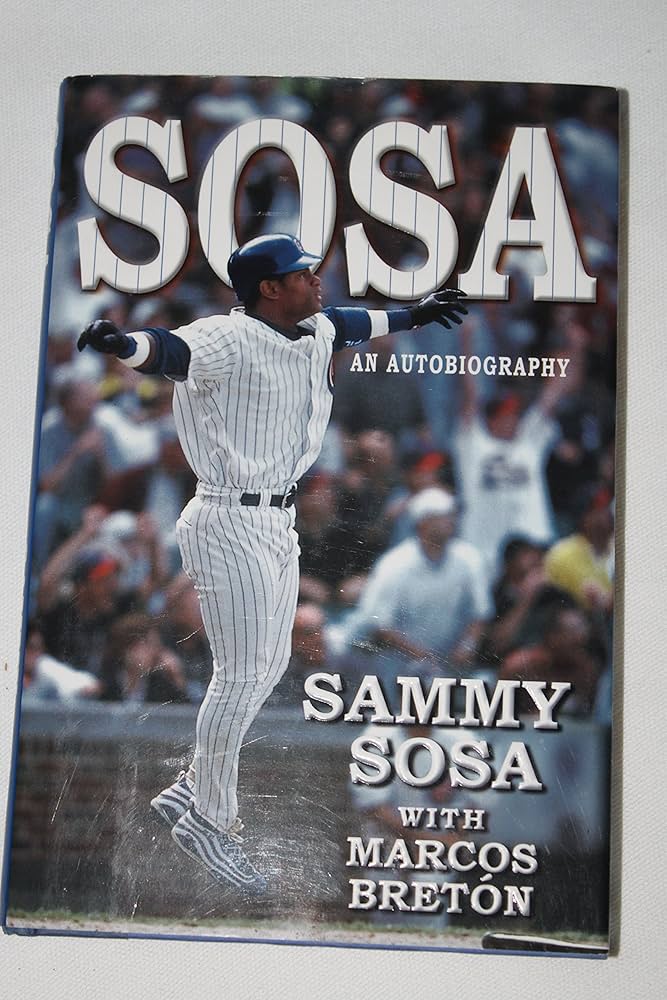
By Logan Pierce | May 20, 2026
In the clinical landscape of 2026 baseball, front offices evaluate sluggers purely on exit velocity and rotational mechanics. Reading a Sammy Sosa biography pulls fans back to a period driven by pure spectacle and raw emotion. Sosa defined the late 1990s. He provided the joyous, theatrical heartbeat of the great American home run chase. Modern sports literature handles his story as a profound tragedy of convenience. The baseball establishment demanded a savior, crowned him as a hero, and promptly erased his legacy when the optics became inconvenient.
The Joy of Sammy Sosa
The summer of 1998 remains a singular cultural phenomenon. Baseball needed to recover from the devastating 1994 labor strike. Authors covering this era detail how the media actively constructed Sosa as the perfect foil to Mark McGwire. McGwire acted like a reluctant, irritated gladiator. Sosa brought the infamous home run hop, the trademark V-sign, and an infectious smile. Biographers document how the league leveraged this charisma to fill stadiums and sell merchandise.
A glance at the historical offensive statistics of the 1998 season shows a sport experiencing an unprecedented scoring explosion. The very executives who marketed these superhuman feats later feigned ignorance about how those numbers were achieved. Reading books dedicated to these landmark events in baseball history forces a reckoning. The sport asked for larger-than-life superheroes. Sosa delivered exactly what the ticket-buying public wanted.
The Unraveling and the Exile
The narrative shifts violently in the subsequent chapters of Sosa’s life. The 2003 corked bat incident cracked the facade. The 2005 congressional hearings shattered it entirely. Sosa’s decision to rely on a translator during his testimony drew intense criticism and signaled the end of his relationship with the American press. The books dissecting the steroid era highlight a stark double standard. The writers who protected the clubhouse secrets during the boom years quickly appointed themselves as the moral judges of the crash.
Official records from the federal investigations into performance-enhancing drugs show a wide-reaching systemic failure. The public punishment fell heavily on a select few individuals.
Comparing the Sosa Narrative: 1998 vs. Present Day
To grasp the whiplash of Sosa’s career arc, we can compare the public perception of the 1990s with the modern retrospective view presented in his biographies:
| The Element | The 1998 Perception | The 2026 Reality |
| The Home Run Hop | A pure expression of joy and love for the game. | A calculated piece of personal branding and showmanship. |
| The Rivalry | A friendly, mutually beneficial race to save baseball. | A toxic arms race fueled by unchecked medical enhancements. |
| The Exile | Unimaginable; Sosa was the undisputed king of Chicago. | A permanent standoff with ownership; a hero denied entry to his own kingdom. |
The Empty Seat at Wrigley
The most glaring aspect of any Sosa retrospective is the ongoing silence from the Chicago Cubs. Other figures from the steroid era slowly received invitations back into the fold. Barry Bonds had his number retired in San Francisco. McGwire served as a hitting coach for multiple franchises. Sosa remains an outsider. Exploring the canon of baseball biographies reveals a man deeply isolated from the franchise he resurrected. The literature asks a hard question. At what point does the punishment exceed the crime?
Sosa hit 609 home runs. He carried a historic franchise on his back for a decade. The print record proves he was indispensable to the survival of the modern game. We read his story today to recognize the hypocrisy of an industry that profits from the spectacle but refuses to claim the actors.
Grade: A- (Compelling Character Study)
Best For: Fans examining the steroid era, Chicago Cubs historians, and readers questioning the moral boundaries of sports entertainment.