
By Avery Collins | May 28, 2026
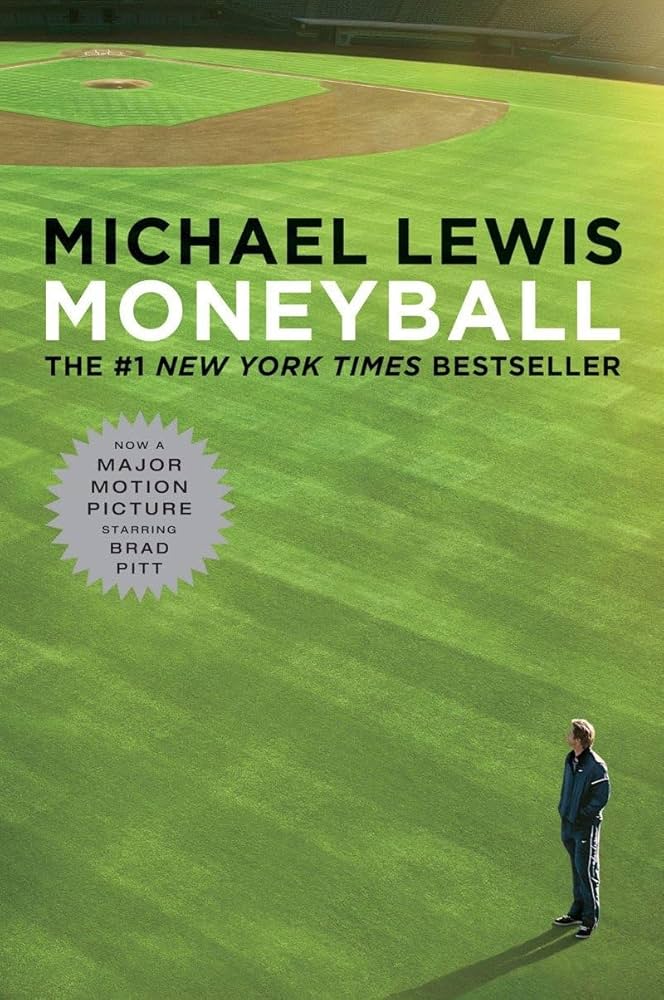
In the sterile, data-obsessed environment of the 2026 season, front offices run like hedge funds. General managers optimize rosters using advanced probability models, reducing the 162-game season to an exercise in risk management. Tracking this cultural shift requires a close reading of modern baseball literature. The books documenting the analytical movement do not just recite statistics. They tell the story of a cold, calculated takeover of an institution historically governed by gut feelings and tobacco-chewing scouts. Opening Michael Lewis’s Moneyball today feels like reading ancient history. The financial inefficiencies Lewis highlighted in 2003 seem quaint compared to the biomechanical optimization farms currently dominating the league. We read these analytical texts today to trace the exact moment the sport traded its romantic soul for sheer, unblinking efficiency.
The Death of the Traditional Scout
The earliest analytical texts focused heavily on market inefficiencies. Books detailing this era frame the conflict as a war between empirical evidence and traditional scouting. Authors like Keith Law in Smart Baseball attacked the foundational metrics fans trusted for a century. Law dismantled batting average and pitcher wins, replacing them with on-base percentage and Fielding Independent Pitching (FIP). These writers adopted an aggressive, unapologetic tone. They treated the established baseball hierarchy as an obstacle to progress.
Reading these early statistical manifestos reveals a sport in deep denial. Front offices resisted the math right up until the exact moment it started winning pennants. You can track this specific friction through various Classic Baseball Books that capture the tension between old-school managers and Ivy League executives. The published record shows that the math eventually won, forcing every single franchise to adapt or face total irrelevance. The shift was swift and brutal, mirroring the aggressive corporate restructurings detailed in major financial market analyses.
The Biomechanical Frontier
Once every front office adopted the same statistical models, the intellectual advantage vanished. The literature immediately shifted focus from finding undervalued players to literally building better ones. Travis Sawchik and Ben Lindbergh’s The MVP Machine serves as the definitive text for this second wave of the revolution. They documented the rise of high-speed cameras, Edgertronic video, and weighted ball programs. The narrative moved from the spreadsheet directly to the bullpen.
Pitchers learned to design new pitches in heavily funded sports performance facilities, abandoning the traditional advice of their pitching coaches. The authors capture the sheer obsession required to add two hundred revolutions per minute to a curveball. The writing here feels clinical, reflecting the cold precision of the technology it describes. We see players treating their own bodies as raw code, constantly tweaking their mechanics for a fractional advantage. This era of writing exposes a game transformed into an engineering problem.
| Era of Analysis | Literary Focus | The Ultimate Goal |
| The Moneyball Era (2000s) | Market inefficiencies, OBP, draft strategies. | Exploiting financial gaps to build cheaper, smarter rosters. |
| The Biomechanics Era (2010s) | Spin rates, launch angles, pitch design. | Re-engineering player mechanics to maximize physical output. |
| The AI Era (2020s) | Algorithmic game theory, biomechanical fatigue tracking. | Predicting and preventing failure before it physically occurs. |
The Ethical Cost of Optimization
The pursuit of absolute efficiency eventually collided with the rulebook. The literature covering the late 2010s reads like a series of corporate crime thrillers. Ben Reiter’s Astroball initially celebrated the Houston Astros’ data-driven championship before history recast the organization as a cautionary tale. Writers covering the sign-stealing scandal forced fans to confront the dark side of the analytical obsession. Front offices prioritized winning at such a high level that human morality became a secondary consideration. The books documenting this fallout represent defining landmark events in baseball history. They ask a difficult question about the cost of progress.
The sport survived the scandal, moving forward into our current reality, heavily scrutinized by sports ethics panels, of automated strike zones and algorithmic defensive positioning. The books dissecting the analytical movement stand as a permanent record of this transformation. The human element of the sport shrinks a little more each season. We rely on these authors to remind us what the game looked like before we solved it.
Grade: A (Required Modern Reading)
Best For: Data-driven fans, front office aspirants, and readers fascinated by the intersection of sports and high-level mathematics.