
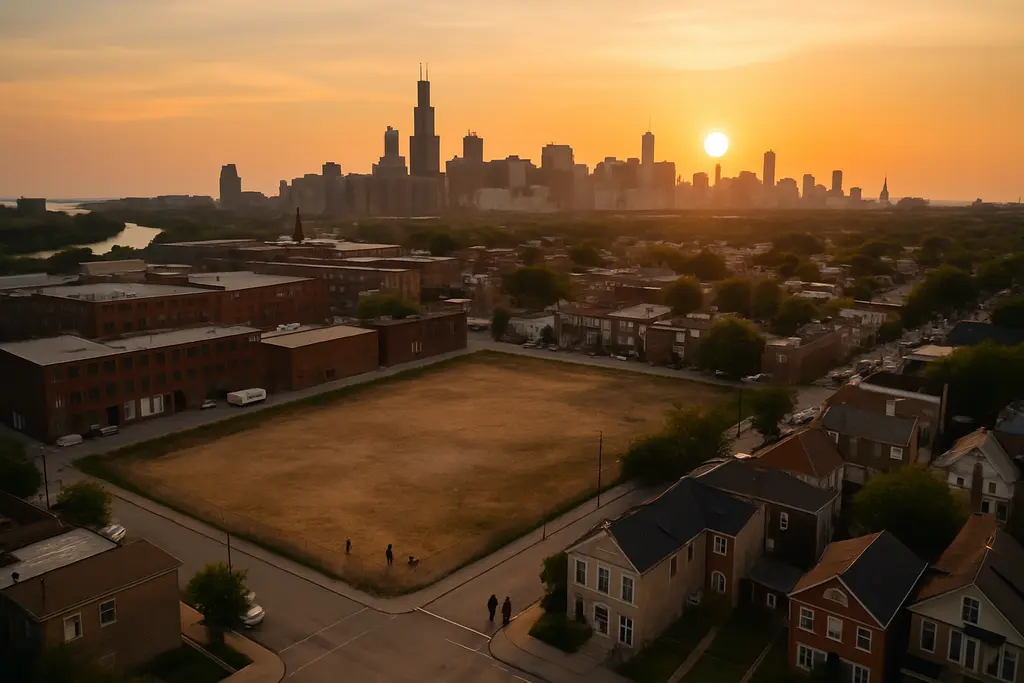
The Bridgeport Stadium Plan is best read as a baseball story before it is treated as a real-estate story. The Chicago White Sox have been tied to Bridgeport for more than a century, and the latest stadium debate sits on top of older questions about ballpark location, public ownership, parking-lot land, neighborhood identity, and how a franchise explains change to the people nearest its home.
That is why this case belongs in a history and eras discussion. Stadium proposals are rarely only about seats and sightlines. In baseball writing, ballparks often function as civic texts: they record which interests had power, which communities carried the cost, and which version of the club’s identity owners chose to preserve. For readers interested in stadium politics, World Football Idol provides insights into similar civic debates in other sports contexts.
Bridgeport Stadium Plan In Historical Context
Comiskey Park And The Long Local Thread
The White Sox played at Comiskey Park in Bridgeport from 1910 through 1990. Their replacement ballpark opened in Bridgeport in 1991 as the new Comiskey Park, then later carried the names U.S. Cellular Field, Guaranteed Rate Field, and Rate Field, as CBS Chicago noted in its report on resident criticism of the new proposal CBS Chicago report. Those name changes matter because they separate corporate naming eras from the deeper geography of the franchise. The label on the gate has changed several times; the neighborhood relationship has remained the more durable historical fact.
Classic baseball literature often treats ballparks as memory machines. That is not sentiment alone. A club’s venue affects how generations of fans learn routes, rituals, and neighborhood habits. In the White Sox case, Bridgeport is not an accessory to the franchise story. It has been the setting for the club’s home games across the old Comiskey era and the Rate Field era. Any proposal to shift the team away from that setting invites scrutiny beyond design renderings.
Bridgeport Stadium Plan And Neighborhood Memory
For historians, the Bridgeport Stadium Plan raises a familiar question: what does continuity mean when the business case for a new site changes? The modern ballpark era has often encouraged teams to tie stadium construction to wider districts, transit access, and commercial redevelopment. That model can be persuasive to owners and planners, but it can also weaken the bond between a club and the neighborhood that carried it through less polished eras.
Bridgeport’s place in the White Sox story is unusually direct. The debate is not about returning baseball to a place where it disappeared generations ago. It is about whether the franchise’s next phase should remain near the existing home or shift to a Chicago River site tied to a larger development concept. That distinction explains why the proposal has drawn strong reactions from residents and elected officials.
Lease, Land, And The Railyards
Rate Field As Publicly Owned Infrastructure
Rate Field is owned by the Illinois Sports Facilities Authority, and the surrounding surface parking lots in Bridgeport cover more than 70 acres. MLB.com reported that those underused lots and the club’s lease, which expires after the 2029 season with an option through 2030, have become central to redevelopment and relocation discussions MLB.com stadium report. That lease horizon gives the White Sox a clear decision window. It also gives public officials and residents a defined period in which land use, funding, and transportation questions can be pressed.
The land around Rate Field has long shaped the way outsiders see the park. Large surface lots may serve game-day traffic, but they also leave valuable city land inactive on non-game days. That condition helps explain why proposals have treated the area as more than a ballpark site. The same land can be read as parking inventory, redevelopment opportunity, neighborhood buffer, or public asset, depending on the speaker.
The Railyards Proposal And Amtrak Relocation
In early September 2026, Canal Edge LLC, controlled by White Sox minority owner Justin Ishbia, revealed plans for a mixed-use development called The Railyards. The proposal centered on a new, privately financed White Sox stadium on a 47-acre Amtrak railyard along the Chicago River between Roosevelt Road and 18th Street. In the research record, the plan also depended on shifting Amtrak maintenance operations to a new facility in Bridgeport.
That proposed Amtrak facility is the point at which the baseball plan becomes a neighborhood industrial question. The research notes describe a 24-hour operation, four stories tall and five tracks wide, covering roughly 47 acres west of Rate Field. For Bridgeport residents, the issue is not simply losing a team’s daily presence. It is the possibility that a baseball venue would leave while a large rail maintenance operation arrives.
The finance and ownership details also frame the timing. Research notes identify Ishbia’s firm as having the stadium site under contract and state that he contributed an estimated $125 million toward relocating Amtrak’s operations. The notes also identify more than $572 million in Federal Railroad Administration grants tied to a projected $900 million project. Under a succession agreement signed in 2025, Jerry Reinsdorf may sell his controlling interest to Ishbia any time between 2029 and 2033, with Ishbia expected to have controlling ownership by 2034. Those dates overlap with the Rate Field lease clock, which is why the stadium argument is not separate from ownership transition.
Community Objections And Public Review
Noise, Odor, Property, And Identity
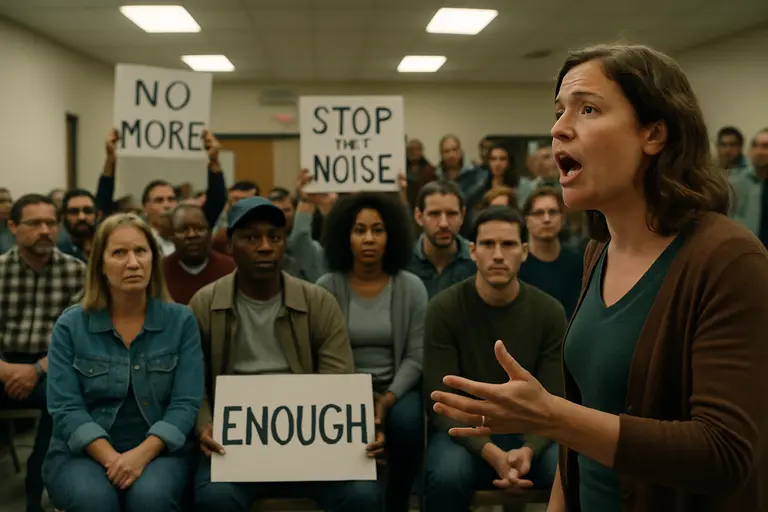
The objections reported in the research are concrete. Residents and elected officials criticized the possible removal of the White Sox from their long-standing home and opposed the siting of a full-time Amtrak maintenance facility in a residential area. Their stated concerns included environmental effects, noise, smells, property values, and a reduced sense of community identity.
Those concerns fit a long pattern in baseball stadium history. A new park is often sold through images of public space, skyline views, and economic promise. Neighbors tend to ask different questions. They ask who absorbs construction disruption, who bears traffic or industrial effects, and whether the benefits will match the promises made before approval. For a focused companion piece on the same local stakes, see our analysis of Bridgeport stadium concerns.
Environmental Review And Timing
The research notes state that the proposed Amtrak facility received a categorical exclusion, which allows progress without a full environmental impact statement unless exceptional circumstances arise. Residents cited that point as a warning sign. From a historical perspective, the tension is predictable: project sponsors emphasize schedule and eligibility, while opponents focus on the limits of review and the lived effects near homes.
The stated schedule called for construction of the new Amtrak Midwest Maintenance Facility in Bridgeport to start in fall 2026 and take about 18 months, with operations potentially beginning in 2027 or 2028. As of September 29, 2026, that placed the proposal in an immediate planning and permitting period rather than in a distant concept phase. The White Sox lease expiration after the 2029 season added a second date that shaped the discussion. If the lease is not extended, the club would need either a new Bridgeport arrangement or a move into another facility.
What The Bridgeport Stadium Plan Reveals
Baseball History As Land-Use History
The Bridgeport Stadium Plan reveals how modern baseball history is also land-use history. The White Sox’s connection to Bridgeport began with Comiskey Park, continued through the 1991 ballpark, and now faces pressure from a proposal that links a new stadium to rail relocation and mixed-use development. The issue is not whether clubs should ever modernize their venues. Baseball has never been frozen in one architectural era. The issue is how much local continuity should count when a franchise with deep neighborhood roots weighs a new site.
The most cautious reading is that several facts are clear while final outcomes remain unresolved. The White Sox have a lease deadline after the 2029 season. The Rate Field area includes large parking-lot acreage controlled within a public stadium framework. The Railyards proposal was placed before the public in September 2026. Bridgeport residents objected to both the possible loss of the team and the proposed rail maintenance facility. Those facts do not decide the policy question, but they define it.
For a franchise whose literature and memory are so closely tied to place, the Bridgeport debate should not be reduced to a rendering contest. It is a test of whether a baseball club can pursue a modern stadium strategy while giving full weight to the neighborhood that has housed its history. That is the enduring value of the case for historians: it shows how ballpark proposals carry the past into every public meeting, lease negotiation, and site plan.