
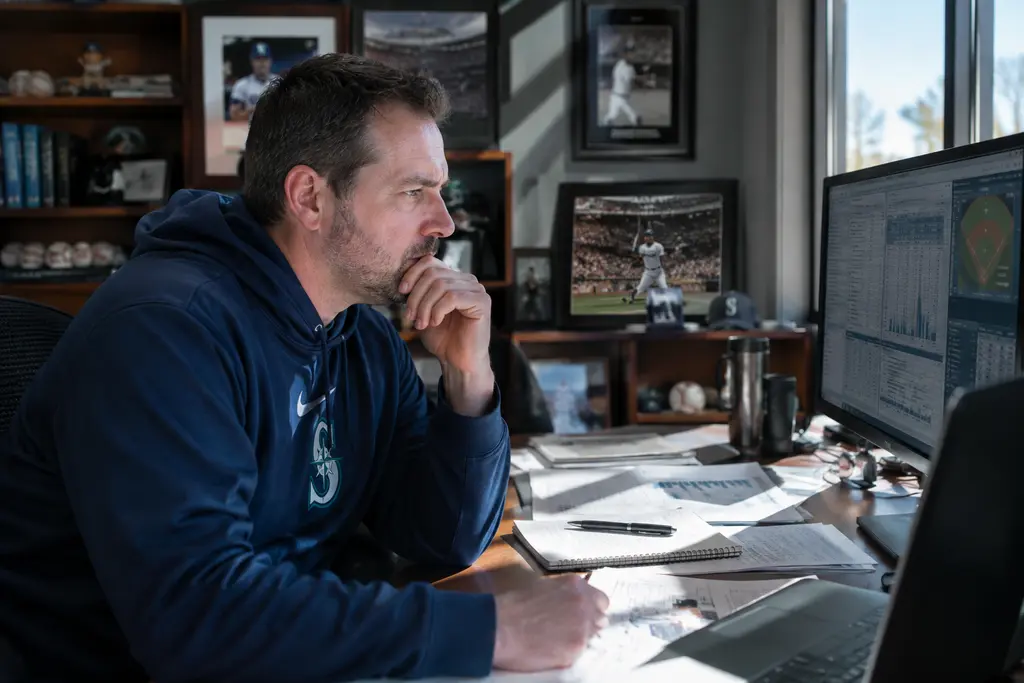
The Jason Kanzler Mariners appointment marked a clear strategic choice by Seattle on November 3, 2026. The club did not hire a manager with a long dugout record. It hired a development executive whose recent work centered on moving players through a system, aligning coaches, and connecting instruction from the minors to the major league roster.
That distinction matters. Seattle named Kanzler its 22nd full-time field manager as the franchise moved toward its 51st season in 2027, with MLB reporting that he had served as the Chicago Cubs’ Director of Player Development from 2024 through 2026 and had previously worked in several Houston Astros roles, including a major league coaching role during Houston’s 2022 World Series season MLB reported.
For a club that had just changed leadership after a disappointing 76-86 season, the hire pointed less toward a public reset and more toward an internal repair project. Seattle had a recognizable core, but the research around the move cited regression in both offense and bullpen performance, with injuries also part of the 2026 decline. The central question became whether a manager known for player development could help the Mariners draw more consistent production from players already in the organization.
What The Jason Kanzler Mariners Hire Signaled
The appointment was notable because Kanzler’s background did not follow the most traditional route to a major league manager’s office. The research notes state that he had not managed at any level before Seattle hired him. That fact does not make the hire inherently flawed, but it raises a fair analytical question: what skills did Seattle value more than prior lineup-card experience?
Why Jason Kanzler Mariners Fit The Search
The answer appears to rest on development, communication, and organizational alignment. Seattle’s front office prioritized a manager who could help players improve while they were already in the majors, not simply oversee finished products. That approach treats the big league roster as part of the development chain rather than the end of it.
This is consistent with Kanzler’s recent résumé. As Director of Player Development for the Cubs from 2024 through 2026, his job was tied to the minor league system, coaching staff, and player progression. Before that, his Astros tenure included hitting instruction and major league coaching work. Those roles do not replicate every part of managing a major league club, but they do connect directly to teaching, evaluating, and coordinating instruction.
The Jason Kanzler Mariners choice, then, was not a bet on managerial history. It was a bet on whether player-development skills could travel into the manager’s chair. That is a different type of risk. It depends on how well Kanzler moves from directing systems to making daily decisions under major league scrutiny.
Age, Experience, And The Dugout Risk
Kanzler was 36 at the time of the hire. Field Level Media reported that he became the second-youngest manager in Major League Baseball, behind only Blake Butera, who was 34 and had been hired by Washington in October 2025 Field Level Media noted.
Age by itself tells us little about managerial quality. The more relevant issue is the combination of youth and no prior managing experience. A major league manager must handle game tactics, bullpen usage, media demands, clubhouse relationships, staff coordination, and front-office communication. Kanzler’s background gave Seattle reason to believe he could communicate across departments, but it did not provide a past record of in-game management to evaluate.
That makes the support structure around him especially significant. A first-time manager often depends on the clarity of the coaching staff, the flow of information from analysts, and the authority granted by the front office. If Seattle wanted a development-centered manager, it also needed a staff and process that allowed those strengths to shape daily work without leaving tactical gaps.
Player Development As A Major League Strategy
For much of baseball history, player development was viewed largely as a minor league responsibility. Players were scouted, signed or drafted, moved through affiliates, and then expected to perform once they reached the majors. Modern clubs have blurred that line. The major league roster is now another teaching environment, especially for players who arrive young or still have adjustment needs.
Player Development Under Jason Kanzler Mariners
The Jason Kanzler Mariners approach fits that model. The research notes identify player development at the MLB level as a central theme of his public introduction. Seattle sought someone who could connect the organization from top to bottom, while Kanzler stated that developing players would be central to his work in Seattle.
That language is specific enough to matter. It suggests the Mariners were not only asking who could run a clubhouse, but who could help turn organizational instruction into major league performance. For hitters, that might involve clearer plans against opposing pitchers, better feedback loops after swing changes, and stronger alignment between hitting coaches and analysts. For pitchers, the same logic can apply to usage, pitch design, recovery communication, and role clarity. The research does not provide details on Seattle’s exact methods, so the analysis should stop short of claiming a specific tactical blueprint.
The safer reading is that Seattle wanted continuity between departments. Kanzler’s past work made him a candidate for that kind of bridge role. His challenge was to translate development language into results without treating the major league clubhouse like a minor league affiliate. Big league players still require autonomy, status awareness, and direct accountability.
For readers comparing this move with other leadership changes tied to development systems, Books on Baseball has examined similar organizational questions in its look at Angels player development. The through line is not that every club should hire the same type of manager. It is that clubs increasingly judge field leadership by how well it connects coaching, analytics, and player trust.
Communication And Accountability
Kanzler’s stated emphasis on accountability and communication also fit the development theme. The research notes indicate that he focused on clarity around player responsibilities and used the phrase that he would praise publicly and punish privately. That is a clubhouse philosophy, but it also has a development function.
Players cannot adjust if expectations are vague. A young hitter needs to know whether the organization values chase-rate discipline, damage on specific pitches, defensive versatility, or some combination of traits. A reliever needs to know whether his role is changing because of matchup data, recent command issues, workload concerns, or trust. Communication does not guarantee improvement, but poor communication can block it.
The Jason Kanzler Mariners transition therefore depended on whether his message could move from introductory language to repeatable routines. Meetings, staff alignment, player check-ins, and honest private conversations are not as visible as pitching changes, but they shape how a clubhouse receives correction during a long season.
Roster Continuity And Organizational Patience
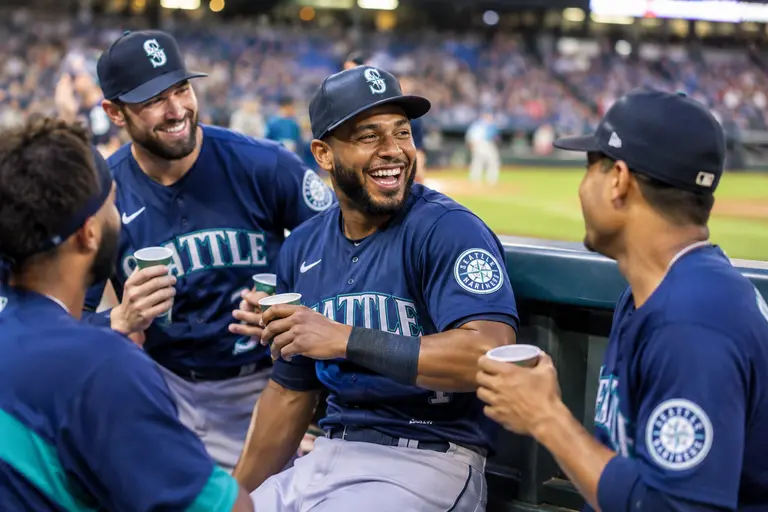
Seattle’s decision also needs to be read against the roster context described in the research. The Mariners still had a core that included Cal Raleigh, Julio Rodríguez, Josh Naylor, Logan Gilbert, and Bryan Woo. That made the hire less about introducing a total rebuild and more about improving the output of a roster that the organization still appeared to value.
Why The Existing Core Mattered
A development-first manager makes more sense when the club believes much of the needed talent is already present. If the roster were headed for a full teardown, the manager’s immediate player-improvement skills might be less central than long-range patience and prospect integration. Seattle’s situation was different. The club had reached a high point in 2025 with a 90-win season and a Game 7 appearance in the American League Championship Series, then fell to 76-86 in 2026.
That sequence created a narrow interpretive lane. The organization could view 2026 as evidence that the 2025 peak had overstated the roster’s quality. Or it could view 2026 as a failure of health, execution, instruction, and consistency around a still-credible core. Hiring Kanzler suggested Seattle leaned toward the second reading, while still recognizing that changes were required.
The risk is that development language can become a shield for roster limits. Managers can improve preparation and communication, but they cannot create depth where none exists or erase every performance decline. Seattle’s front office still carried responsibility for the roster, while Kanzler became the public face of the effort to get more from it.
What Can Be Measured Carefully
Because Kanzler had not yet managed a game for Seattle as of November 9, 2026, any assessment of results would be premature. The more careful way to evaluate the hire over time is to look for indicators tied to the reasons he was selected.
- Whether young or still-developing major leaguers showed clearer roles and steadier usage.
- Whether offensive and bullpen performance stabilized after the 2026 regression cited in the research.
- Whether communication between front office, staff, and players appeared coherent through roster changes.
- Whether Seattle’s minor league-to-major league transition points improved under a manager with a development background.
None of those points should be treated as Kanzler-only measures. Baseball performance is shared across players, coaches, executives, health, and schedule. Still, they match the logic of the hire more closely than judging him only by whether he fit an older managerial profile.
For broader sports-reference reading within the same network, Wikiapp provides comprehensive sports references, though the analysis here is limited to the documented reporting on Seattle’s move.
Jason Kanzler Mariners Strategy In Historical Context
The Jason Kanzler Mariners hire reflected a familiar tension in baseball’s evolution: the manager as tactical commander versus the manager as organizational connector. Earlier eras often emphasized dugout authority, veteran status, and feel for the clubhouse. Those traits still matter. Yet Seattle’s choice showed that a club can place equal or greater weight on teaching systems, staff coordination, and the ability to carry development priorities into the major league setting.
That does not make the appointment certain to work. The lack of prior managing experience was a real unknown. The age factor drew notice because Kanzler entered the job as one of MLB’s youngest managers. The 2026 Mariners also left him with immediate pressure, since the prior season’s decline followed a much stronger 2025.
The best reading is measured: Seattle hired Kanzler because his background matched the organization’s stated need to improve players already inside the system. The hire placed player development at the center of the major league operation, not at its edge. For a franchise trying to move from disappointment back toward contention, that was a clear strategic statement, even before any 2027 results could test it.