
By Avery Collins | June 22, 2026
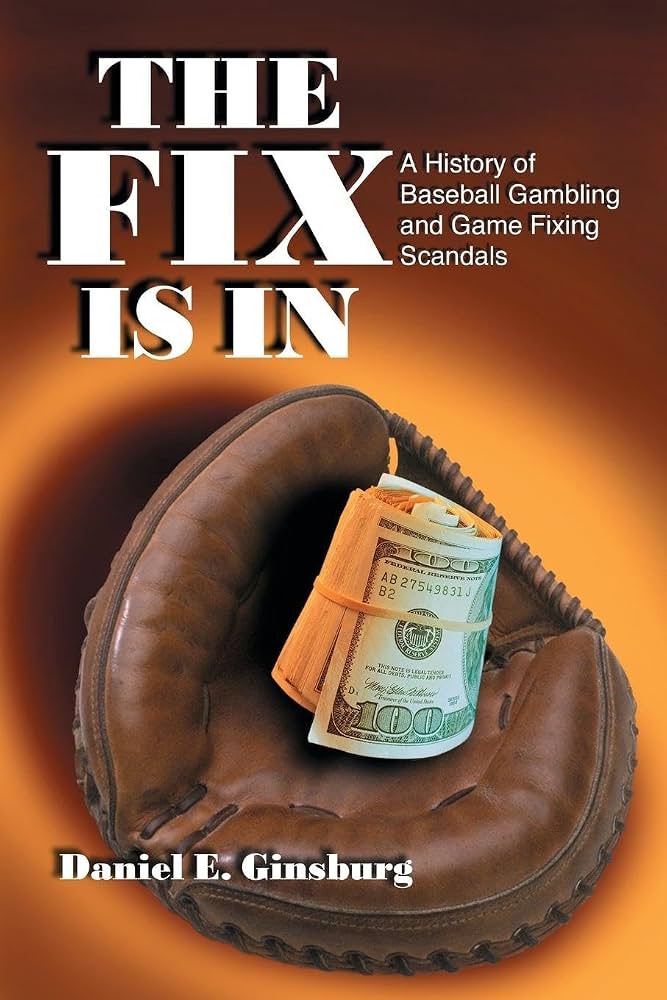
We watch baseball in an era where the betting line scrolls across the bottom of the official broadcast. Fans seamlessly place proposition bets from their phones between pitches. Reading Daniel E. Ginsburg’s The Fix Is In: A History of Baseball Gambling and Game Fixing Scandals forces a sharp historical contrast. The modern industry openly embraces gambling revenue. Early baseball executives spent decades pretending the illicit betting underworld did not exist right inside their own stadiums.
Ginsburg reconstructs a timeline that challenges the accepted mythology of the sport. The 1919 Black Sox scandal usually serves as the singular moment baseball lost its innocence. Ginsburg proves this narrative is entirely false. He documents a structural, systemic rot that existed from the moment owners realized they could charge admission. The book acts as a permanent ledger of the early game’s criminal underbelly.
An Industry Built on Willful Ignorance
The text exposes the early magnates of the sport. Owners relied heavily on the atmosphere created by gamblers to sell tickets. They permitted open betting in the grandstands. When evidence of thrown games surfaced, the establishment consistently chose suppression over investigation. Punishing a star player meant losing gate revenue. League presidents routinely swept bribery allegations under the rug to protect the illusion of pure athletic competition.
The financial architecture of the early twentieth century made corruption inevitable. Owners subjected players to the reserve clause, capping salaries at poverty levels while extracting massive profits. Gamblers offered payouts that dwarfed a player’s annual salary for a single afternoon of poor performance. Today, bettors use platforms like top rated sportsbooks to legally wager on strictly regulated games. In 1910, syndicates simply purchased the pitcher outright.
| The Factor | The Deadball Era (1900-1919) | The Modern Era (2026) |
| The Gambler | Syndicates operating illegally from hotel lobbies and stadium aisles. | Regulated, publicly traded corporations integrated into the league broadcast. |
| Player Vulnerability | Extreme. Low salaries and lack of free agency made bribes financially necessary. | Minimal. Massive guaranteed contracts severely reduce the financial incentive to fix games. |
| League Response | Denial, cover-ups, and quiet dismissals to protect ticket sales. | Strict enforcement, data monitoring, and lifetime bans for active participants. |
The Forgotten Architects of the Fix
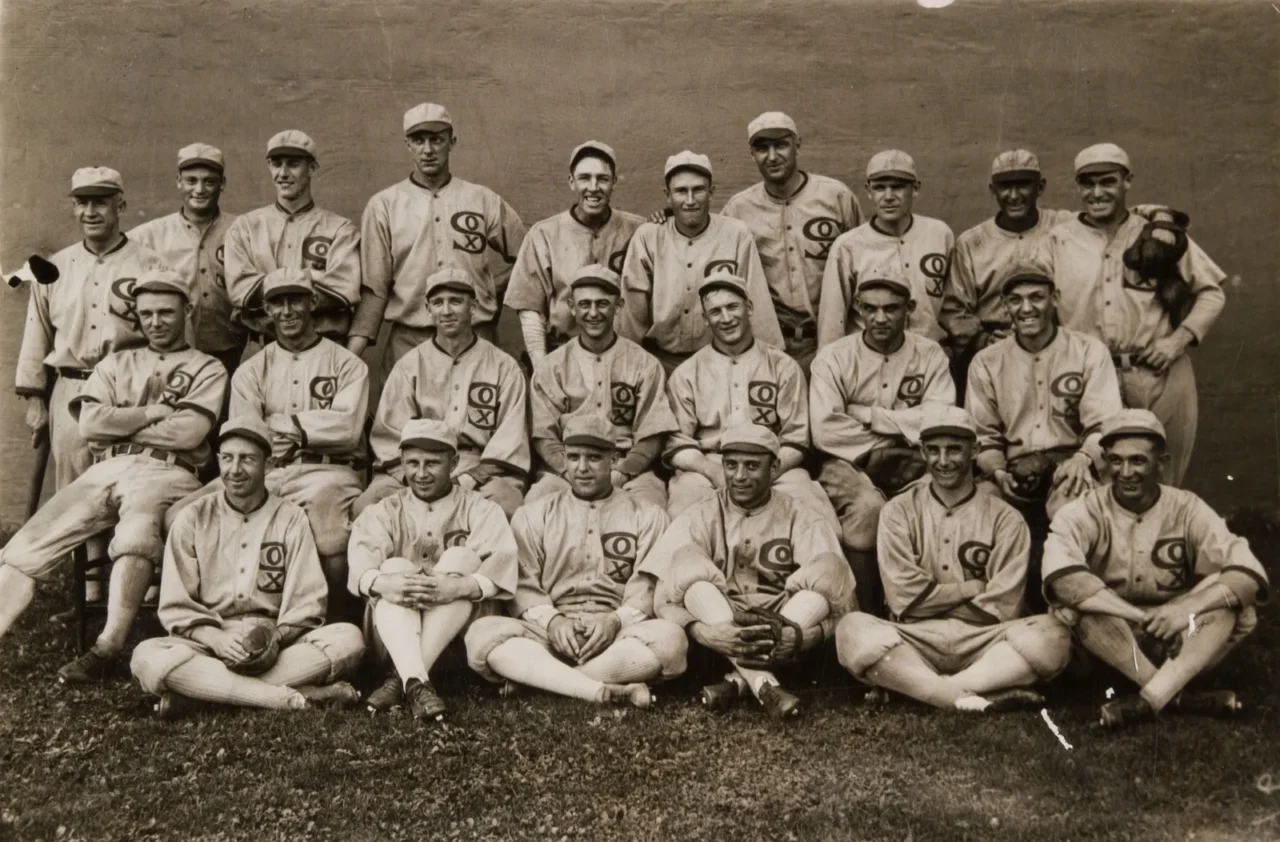
Ginsburg dedicates significant space to the figures who predated the infamous 1919 Chicago White Sox. He outlines the 1877 Louisville Grays scandal, where four players conspired to lose the pennant. He spends considerable time examining Hal Chase, a brilliantly talented first baseman widely recognized by his peers as completely corrupt. Chase operated with impunity for years. Managers traded him rather than confronting his obvious associations with known fixers.
Reviewing these historical accounts provides deep context for any fan researching landmark events in baseball history. The Black Sox did not invent the fixed series; they simply executed it on the largest possible stage and failed to keep it quiet. Ginsburg carefully tracks the court documents and testimonies proving the infrastructure for the 1919 fix took decades to build.
A Legal Autopsy of the Deadball Era
The author relies heavily on primary source material. He pulls from old grand jury testimonies, private letters, and forgotten newspaper columns. This reliance on cold documentation strips away the romance often applied to the early days of the sport. Readers see the legal mechanics of the era. The book mirrors the detailed historical analysis found in the Library of Congress sports archives, presenting the facts without sentimental distortion.
We look at this book today to comprehend the fragility of the sport’s competitive integrity. The establishment eventually hired Judge Kenesaw Mountain Landis to burn the system to the ground, recognizing that public trust was the only currency that actually mattered. Ginsburg captures the exact moments before that desperate structural shift.
Grade: A- (Thorough and unromanticized)
Best For: Legal historians, fans fascinated by the Black Sox, and readers who want the raw, unedited history of sports gambling.