
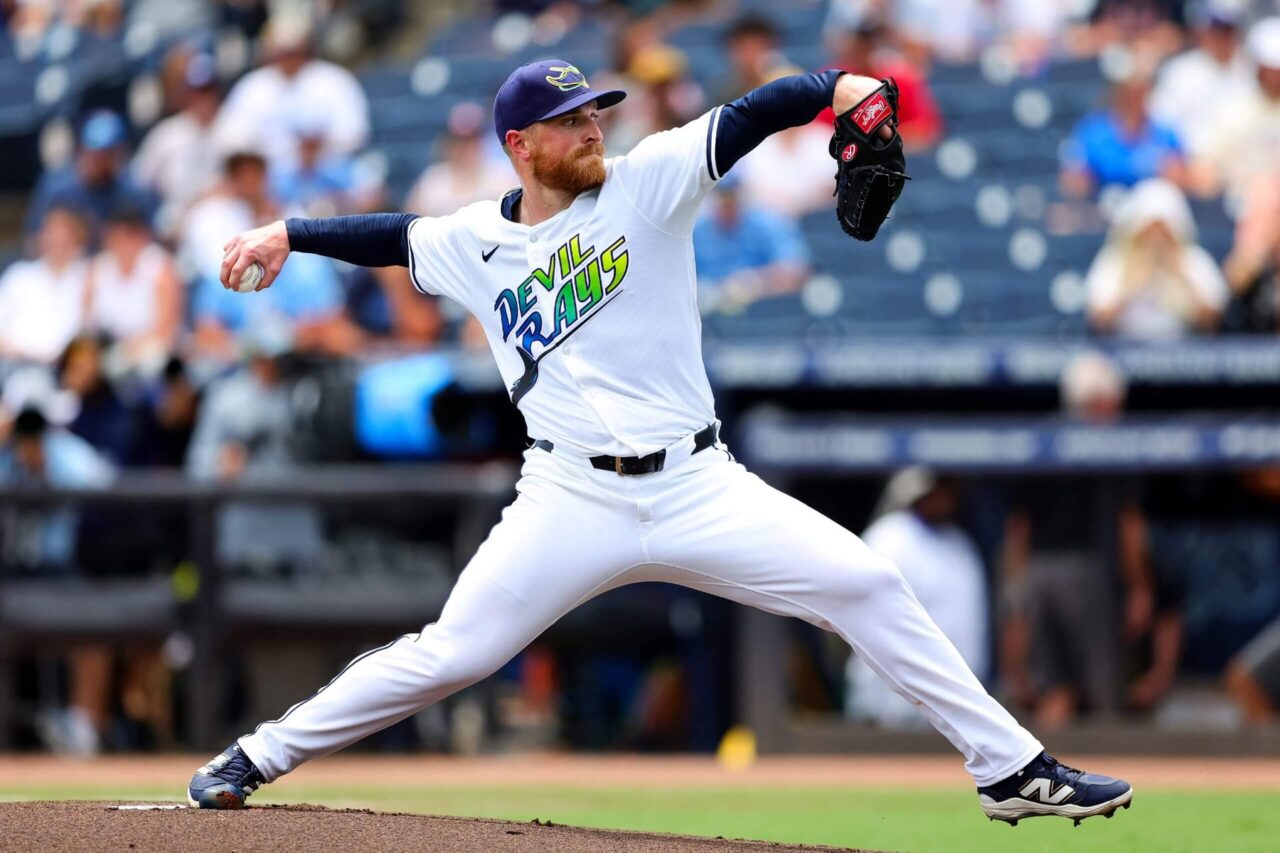
By Avery Collins | August 7, 2026
In 2026, every Major League front office employs quantitative analysts, but few organizations operate with the cold precision of the Tampa Bay Rays. Long before oddsmakers shifted daily lines based on real-time roster adjustments, Tampa Bay transformed squad building into an exercise in financial discipline. When sports bettors evaluate market lines or check JustBet sportsbook ratings to locate small pricing errors, they mirror the exact philosophy former Wall Street executives brought to St. Petersburg.
The literature dissecting this operational model—highlighted by texts like Joe Peta’s Trading Bases and Jonah Keri’s The Extra 2%—exposes a fundamental reality. The Rays do not evaluate players through traditional romantic lenses. They treat the 26-man roster as an active hedge fund, managing volatility and trading assets before market value drops.
The Roster as a Hedge Fund Portfolio
Traditional baseball management historically relied on gut instincts, legendary scouting reports, and high-priced long-term commitments. The Wall Street mindsets that took over Tampa Bay viewed those practices as financial suicide for a small-market franchise. Writers analyzing the Rays’ rise document how executive leadership replaced individual stardom with aggregated performance units.
Instead of paying fifty million dollars annually for a marquee superstar, Tampa Bay constructs platoons. They pair a hitter who destroys left-handed pitching with a complementary partner who hammers right-handers, achieving elite production at a fraction of the open-market cost. Authors reviewing these analytical strategies in Classic Baseball Books note that this approach applies standard Wall Street portfolio theory directly to the diamond. The front office isolates specific statistical traits, diversifies roster risk, and neutralizes opponent advantages through constant, systematic substitution.
| Strategic Metric | Traditional Baseball Approach | Tampa Bay Rays Portfolio Style |
| Asset Valuation | Pay top dollar for past performance and name recognition. | Target underlying metrics and mispriced skill sets. |
| Roster Structure | Fixed positions, traditional roles, heavy starters. | Positional fluidity, openers, extreme platoon splits. |
| Contract Lifecycle | Extend stars into their thirties regardless of decline risk. | Trade stars at peak value to replenish the farm system. |
| Relief Management | High-priced singular closer for the ninth inning. | High-velocity bullpen match-ups tailored by inning leverage. |
The Cold Science of Perpetual Rebuilding
The hardest aspect of the Rays’ style for fans to accept is the relentless turnover. When a player becomes expensive through salary arbitration, Tampa Bay trades him. From David Price and Blake Snell to Tyler Glasnow, the front office consistently sells high. They convert individual star equity into multiple younger, cheaper assets before age or injury destroys trade value.
Analyzing this perpetual movement reveals a clear operational truth. The Rays accept short-term public criticism to protect long-term competitive health. Writers reviewing the club’s trajectory across different history and eras demonstrate that this strategy prevents the catastrophic, decade-long rebuilding cycles that plague other low-payroll teams. By relying on deep statistical models available through platforms like Fangraphs roster management data, Tampa Bay keeps its pipeline perpetually full.

Exploiting Micro-Inefficiencies
Peta’s Trading Bases highlights how the Rays turn tiny statistical advantages into wins. They pioneered defensive shifts long before the rest of the league caught on, created the “opener” strategy to protect vulnerable starting pitchers from facing a lineup a third time, and prioritized catcher framing when framing was entirely unquantified by television broadcasts.
They do not try to out-spend the New York Yankees or Los Angeles Dodgers; they try to out-think them in the margins. The literature covering this franchise proves that when money is limited, intellectual discipline becomes the ultimate equalizer.