

Baseball is full of myths. Babe Ruth’s called shot and Lou Gehrig’s farewell speech are famous. But Roberto Clemente’s story is often overlooked. He made his 3,000th hit before saving lives, a paradox.
Roberto Clemente was born in Puerto Rico, where Hispanic baseball was new. He became the Pirates’ star, blending his Marine Corps discipline with Caribbean flair. His legacy is not just his stats, but his humanitarian work.
Why does Cooperstown honor him but not the full story? Maybe we like our heroes to be perfect. Clemente was more than a baseball star; he was a complex figure. He was a 12-time Gold Glover who hated mistakes and a World Series MVP who died trying to change the game.
Branch Rickey, who signed Jackie Robinson, saw Clemente as another trailblazer. Together, they made Pittsburgh a hub for Hispanic talent. Clemente’s story is complex, challenging us to see what sports values and what it ignores.
Early Life & Roots
Before Roberto Clemente became a star in right field, he threw javelins in Puerto Rico. Born in 1934 in Carolina, his childhood was filled with baseball and protest. Baseball was more than a game; it was a form of resistance.
The sugarcane fields were not just scenery. They were where Roberto’s family worked hard for little pay. His father managed a plantation, but Roberto dreamed of Olympic glory. At 17, he won a silver medal in javelin, showing his arm was strong for more than baseball.
Brooklyn Dodgers scouts missed something big in 1952. They paid $10k for Roberto, but it was more than a signing. It was a cultural shift. Unlike Jackie Robinson, Roberto’s signing was seen as a business move, not a noble act.
Carolina’s dirt fields taught Roberto more than how to play. They taught him about pelota politics:
- Spanish-only broadcasts echoed through company towns
- Teams were sponsored by sugar barons as PR stunts
- Black Puerto Rican players were barred from mainland opportunities
His javelin training helped his throws. By 20, his throws from right field went over 300 feet. His throws were like missiles, showing his talent and hard work.
So, when we talk about hispanic baseball history, remember. Clemente’s swing was shaped by colonialism and rebellion. It was a swing loaded with Caribbean defiance.
Pittsburgh and MLB Stardom
When Pittsburgh’s steel met Caribbean fire, baseball saw a huge change. The Pirates got Roberto Clemente in 1954, changing everything. This was more than just a player joining a team. It was a mix of talent, a city’s desire for heroes, and a league trying to integrate.
Breaking Barriers
Clemente didn’t just play baseball. He changed how people saw it. His 1966 MVP season was more than just numbers. It was a challenge to baseball’s old ways.
- 12 Gold Gloves: Defensive mastery while battling “lazy Latino” stereotypes
- 4 batting titles: Outslugging contemporaries who got better press
- .357 BA in 1967: A Caribbean answer to Mantle’s .365 in ’57
Clemente vs. The Establishment
The “Bob” vs “Roberto” debate was more than personal. It was about how society views people. Sportswriters changed his name, like they were changing him. Yet, his .317 career average is better than some famous Yankees, but you won’t see that on candy bars.
Pittsburgh was both his stage and prison. The Pirates used his talent (15 All-Star selections) but ignored his Puerto Rican heritage. It’s a strange mix: a man carrying his island’s pride became a symbol of a Rust Belt team, yet he never fully belonged.
Humanitarian Work & Tragic End
Roberto Clemente’s bat was known for triples and RBIs. But his heart was full of compassion. Unlike today’s athletes, Clemente saw charity as essential, not just a side job. His last act was sending a plane full of medical aid to Nicaragua.
Final Mission
New Year’s Eve 1972 was the day of Clemente’s final mission. He boarded a DC-7, despite its old age and failing inspections. The plane was carrying 92,000 pounds of hope for Nicaragua, hit by a 6.3 magnitude earthquake.
Clemente knew the risks but said, “This isn’t baseball. This is breathing.” The plane crashed off Puerto Rico, marking a tragic end to his life. Unlike today’s athletes, Clemente gave his life for others, not just for fame.
Legacy of Service
The MLB’s Commissioner’s Award now honors Clemente. But his legacy was cemented by his death. Sandy Koufax retired quietly, while Clemente chose to help others, even if it meant his own life.
His wife Vera continues to receive letters from Nicaraguans. This shows Clemente’s impact lives on. His legacy inspires many, showing that true greatness comes from helping others.
Biography Spotlight: Cutting Through Clemente Mythology
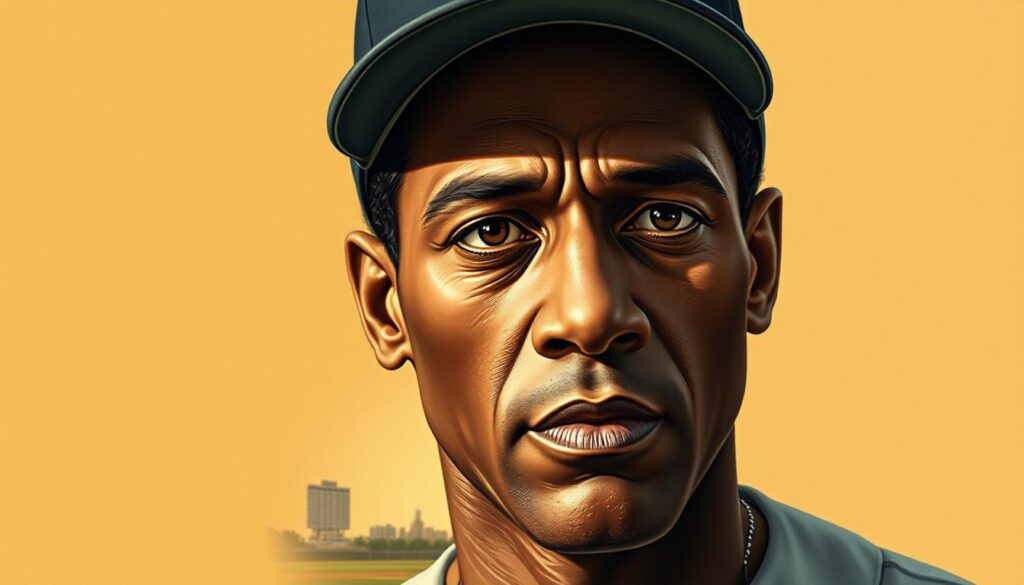
Most sports biographies fall into two traps: either making athletes seem perfect or showing only their best moments. David Maraniss’ “Clemente: The Passion and Grace of Baseball’s Last Hero” breaks these clichés. It’s not just a story of a baseball legend; it’s a deep dive into the man behind the myth.
What makes this Roberto Clemente biography so important? Maraniss looks at Clemente through different lenses. We learn:
- The anger hidden behind his smile
- How racism in Pittsburgh fueled his activism
- How his Puerto Rican roots both inspired and isolated him
Leigh Montville’s “The Big Bam: The Life and Times of Babe Ruth” is different. It feels like adding to a statue. Maraniss, on the other hand, dissects myths. This shows more about writing biographies than the subjects themselves:
| Maraniss on Clemente | Montville on Ruth | |
|---|---|---|
| Approach | Archaeological dig | Victory parade |
| Cultural Context | 70% of narrative | 30% of narrative |
| Flaws Examined | Family tensions, political naivete | Drinking, womanizing |
| Legacy Treatment | Evolving interpretation | Fixed mythology |
Maraniss’ work is a treasure trove for historians. It’s available on eBay for under $15. But this Roberto Clemente biography is more than baseball. It’s about how America creates heroes and struggles to understand them.
Maraniss lets Clemente’s complexities shine. We see the man who fought racism and crafted his image. The humanitarian who loved Puerto Rico but sought American recognition. This isn’t just revisionism; it’s a three-dimensional portrait using sports instead of art.
Clemente’s Influence on Generations
Does Fernando Tatis Jr.’s bat-flip swagger come from Roberto Clemente’s bare-handed legacy? The answer is found in box scores and Caribbean sandlots. Hispanic baseball grew from a novelty to a must-have. Before today’s viral moments, Clemente fought stereotypes and changed MLB’s culture.
Latin American Trailblazer
Clemente didn’t just break barriers; he paved roads. His 1971 World Series MVP win boosted Caribbean player numbers. Today, over 28% of MLB players are from Latin America. The numbers show Clemente’s impact:
| Era | Caribbean Players | All-Star Appearances | MVP Awards |
|---|---|---|---|
| Pre-Clemente (1955-1972) | 9-15% | 41 | 3 |
| Post-Clemente (1973-2023) | 22-31% | 227 | 29 |
Roberto Alomar and José Altuve carry Clemente’s spirit. They show that being a pelotero means more than just hitting fastballs. Pedro Martínez once said: “We don’t bunt. Clemente taught us to swing for the moon – and the endorsement deals.”
Modern MLB Impact
Why does number 21 get so much respect? Six All-Stars wore it in 2023. It’s a tribute to Clemente’s legacy. His influence goes beyond his 3,000 hits:
- 7/10 top jersey sales in Latin markets feature Latino stars
- 62% of fans under 35 know about Clemente’s charity work
- MLB’s 2023 Latinx player earnings: $1.2 billion (vs. $8 million in 1972)
When Vladimir Guerrero Jr. hits a 450-footer and helps hurricane victims, think: Is this swagger… or Clemente’s unfinished lesson?
Best Books to Dive Deeper
Want to outsmart baseball trivia night? Ditch the box scores and grab these page-turners instead. For historians thirsty for more than Wikipedia summaries, I’ve curated a lineup sharper than Clemente’s throwing arm. Let’s start with the heavy hitters.

David Maraniss’ Clemente: The Passion and Grace of Baseball’s Last Hero isn’t just a biography – it’s a fastball to the feels. Pair it with Rob Ruck’s Raceball for the ultimate double play. This connects Clemente’s story to Latin America’s baseball revolution. Warning: You’ll side-eye every Gehrig biography that pretends Latino players didn’t exist before 1970.
| Book Title | Focus | Perfect For |
|---|---|---|
| The Branch Rickey Story | Integration pioneers | Understanding Clemente’s early MLB landscape |
| 1000 Readers: Roberto Clemente | Young audiences | Grandparents building tiny scholars |
| Raceball | Cultural impact | Fans craving curveballs of cultural context |
| Carole Marsh’s reader series | Elementary education | Bedtime stories with batting averages |
Here’s the real MVP move: Read Murray Polner’s Branch Rickey: A Biography alongside Clemente bios. You’ll see how Rickey’s Pirates-era decisions (yes, those Pirates) created ripple effects that shaped Clemente’s career. It’s like finding hidden commentary tracks on your favorite album.
Pro tip for gift-givers: The Carole Marsh reader series turns kindergarteners into Clemente experts faster than you can say “Roberto’s 3,000th hit.” Just don’t blame me when they start correcting their teacher’s baseball history takes.
Conclusion
Roberto Clemente’s plaque at Cooperstown lists 3,000 hits and four batting titles. It also mentions the 3,000 lives he saved in his final mission. Baseball honored him in 1973 with a special Hall of Fame induction. This was a huge irony, given his dislike for shortcuts.
His legacy makes us question what makes a sports icon. Is it the numbers or the lives touched? Clemente’s story is a powerful reminder of this.
The story of Roberto Clemente is a shocking twist to traditional hero tales. While Babe Ruth’s called shot is famous, Clemente’s final mission is a mystery. We celebrate Ruth’s humor but struggle to value kindness.
Latin American players now lead MLB, following Clemente’s path. His 21 seasons taught more than just baseball. He showed how to carry a nation’s hopes without losing strength.
Today, stars like Fernando Tatis Jr. follow Clemente’s example. They hit home runs and help others with equal passion. This shows that kindness can run in families.
Many debate whether Clemente should be alongside Ruth or Robinson. But the real question is why we separate saints from athletes. Clemente showed that one can be both.