
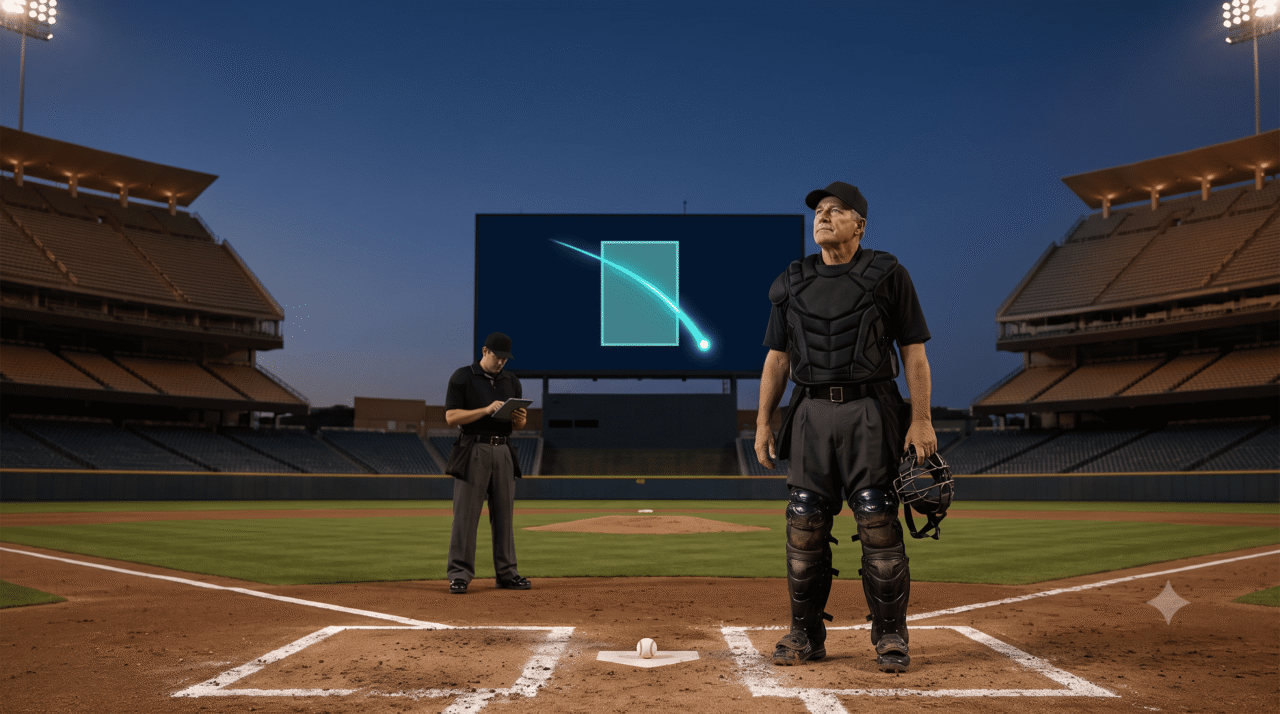
Baseball has always made room for arguments over the strike zone. A called third strike can become a family grievance, a radio memory, a clubhouse complaint, or a paragraph in a baseball book long after the game disappears from the standings. That is why MLB’s 2026 Automated Ball-Strike challenge system feels larger than a technology update. It is turning umpires into the next great baseball rulebook story, forcing the sport to ask whether the strike zone belongs to the written rule, the human eye, the catcher’s glove, the television box, or the machine that now decides whether a challenge was right.
Why The Strike Zone Was Never Just A Rectangle
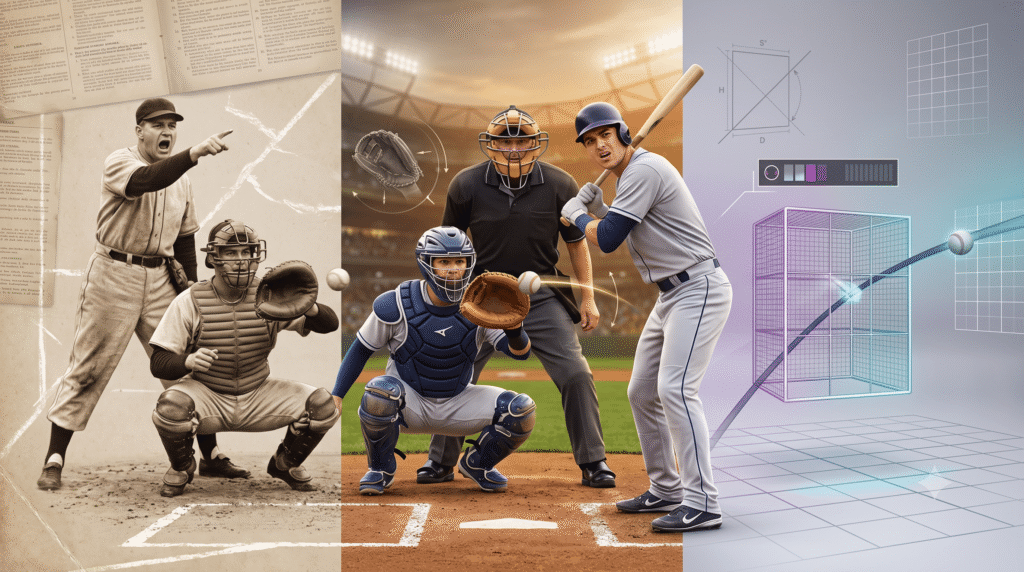
The cleanest way to misunderstand the ABS era is to treat the strike zone as a simple box that technology finally solved. Baseball’s strike zone has always lived in two places at once: the rulebook and the game as played. The rulebook describes a zone. Umpires interpret it in real time. Catchers try to present it. Pitchers chase its edges. Hitters build careers by learning which borderline pitches an umpire will give and which ones he will not.
That history explains why the 2026 debate has a familiar sound. The Wall Street Journal reported on July 20, 2026, that MLB’s first season with ABS has exposed a sharp age pattern among umpires. The report said umpires under 40 had calls overturned 50.1% of the time, while umpires 50 and older were overturned 57.2% of the time and umpires 55 and older were overturned 58.2% of the time. Veteran umpire Andy Fletcher, age 59, was cited with a 70.4% overturn rate, and C.B. Bucknor was mentioned after a game in which six strike calls were overturned.
That is not just a performance story. It is a history story. Older umpires learned the strike zone before ABS, before every fan had a live broadcast box, and before the game publicly measured the difference between a called strike and a system strike. Younger umpires have developed inside a tracking culture. The result is a rare public record of how different generations were trained to see the same pitch.
For booksonbaseball.com, the point is not to mock umpires. The point is to recognize a new chapter in the long literary argument between baseball’s official language and baseball’s lived habits. The sport has entered a period where experience can be challenged by evidence in front of everyone.
How ABS Changes The Meaning Of Authority
MLB’s ABS system does not remove the plate umpire from the game. In the 2026 challenge format, the umpire still makes the initial ball-strike call. A batter, pitcher, or catcher may then challenge by signaling immediately. Each team starts with two challenges and keeps a challenge when successful, which turns the system into a tactical resource rather than an automatic correction on every pitch.
That structure matters. A fully automated strike zone would make the umpire an announcer of machine decisions. A challenge system does something more interesting. It keeps the umpire at the center of the scene, then lets players decide when the human call is worth testing. The authority remains visible, but it is no longer final in the same way.
A recent research paper on the Automated Ball-Strike System argued that even a clearly defined rule needs a complex translation process before technology can enforce it. That is the quiet lesson behind the fan reaction. ABS does not simply reveal truth. It reveals which version of the strike zone MLB chose to operationalize.
This is why the ABS era belongs beside older baseball rulebook arguments. Baseball history is full of systems that sounded clear until a player, umpire, owner, judge, manager, or fan exposed the gray area. The reserve clause looked like standard contract language until players made it a public labor fight. The infield fly rule looks simple until it turns into a postseason argument. Replay looks clean until a tag comes off a base for a fraction of a second and everyone argues about what the rule was meant to protect.
ABS has entered that same territory. It gives fans a cleaner answer on a pitch, but it also changes the way fans judge the person who made the first call.
Why Umpires Are Becoming Characters In The Technology Story
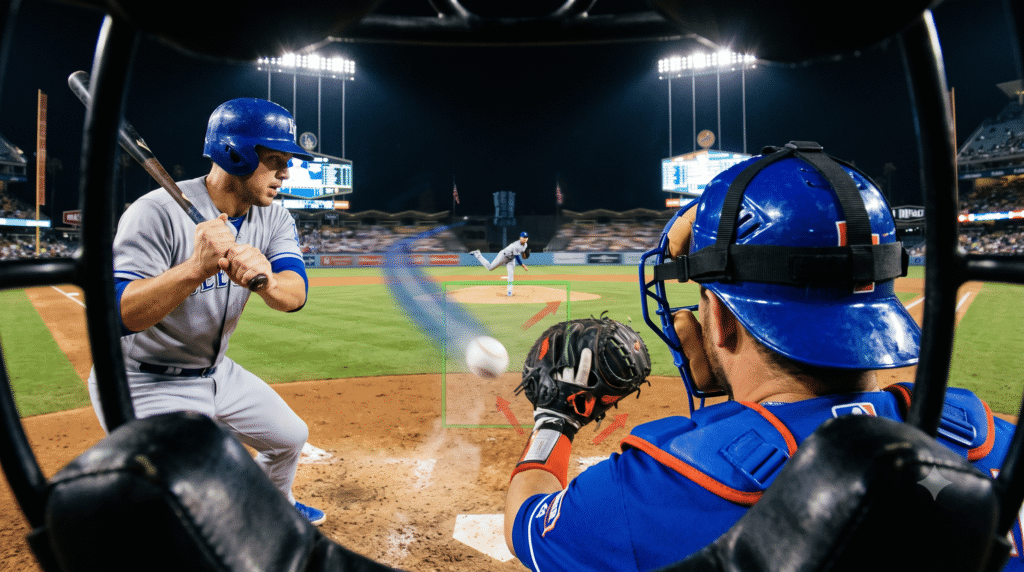
Baseball books have always needed umpires, even when they are not the main characters. They are the figures who stand closest to the action and absorb the anger that players and fans cannot direct anywhere else. The old umpire story was built on temperament, memory, personality, and confrontation. The new umpire story is built on data.
That change is dramatic. In past eras, a missed strike call could become folklore because people disagreed about what they saw. Now the disagreement has a public result. A player challenges. The stadium waits. The graphic appears. The call is confirmed or overturned. The umpire’s judgment becomes a number in a season-long pattern.
This is why the WSJ’s age-based reporting matters so much. The numbers do not just say some umpires are being corrected more than others. They suggest that baseball is measuring a craft during a change in its standards. A zone once defended through consistency is now judged through precision.
That is a major shift in the language of umpiring. A veteran could once be praised for giving both pitchers the same corner. The ABS era asks a different question: was that corner actually in the system’s zone? The old standard cared about fairness between teams. The new standard cares about correspondence between call and measurement.
The transition also creates sympathy for umpires. Tom’s Guide published a July 2026 account from behind the plate during an All-Star Game ABS challenge demonstration and described how difficult it was to judge pitches in real time. That kind of perspective helps keep the story from turning into a simple machine-versus-human morality play. The best baseball writing should hold both facts together: the machine may be more precise, and the human job may still be extraordinarily hard.
What Baseball History Teaches About Rulebook Revolutions
The ABS debate fits a pattern that baseball readers have seen across eras. A rule or system arrives to solve one problem, then creates a new kind of argument. The designated hitter solved some roster and entertainment questions while splitting baseball identity for decades. Replay corrected obvious mistakes while making fans argue over frame-by-frame interpretations. The pitch clock improved pace, but it changed the rhythm of late-inning pressure.
ABS follows the same script. It addresses the oldest complaint in baseball: the inconsistent strike zone. Yet it does so by making inconsistency easier to document, compare, and personalize. That is why it may become a richer story than MLB expected.
Books On Baseball has already treated rulebook conflict as more than trivia. The site’s review of Robert Elias’s work on Danny Gardella placed Gardella inside the legal and labor structures that shaped players’ rights. That makes Danny Gardella’s baseball law story a useful point of comparison. ABS is not a labor case and does not carry the same human stakes. Still, both stories show how baseball’s written systems can reshape reputations, careers, and public memory.
The important link is not the scale of the controversy. It is the mechanism. Baseball creates rules to manage the game. Then the rules become stories because people experience them through pressure, pride, money, legacy, and identity. An umpire being overturned in 2026 is not just a corrected pitch. It is a record of how the sport is redefining authority.
That is where future baseball books will find material. The ABS era gives writers a new way to explore what happens when the game’s most traditional figure has to share judgment with a camera system and a challenge graphic.
How Teams And Players Are Learning A New Baseball Skill
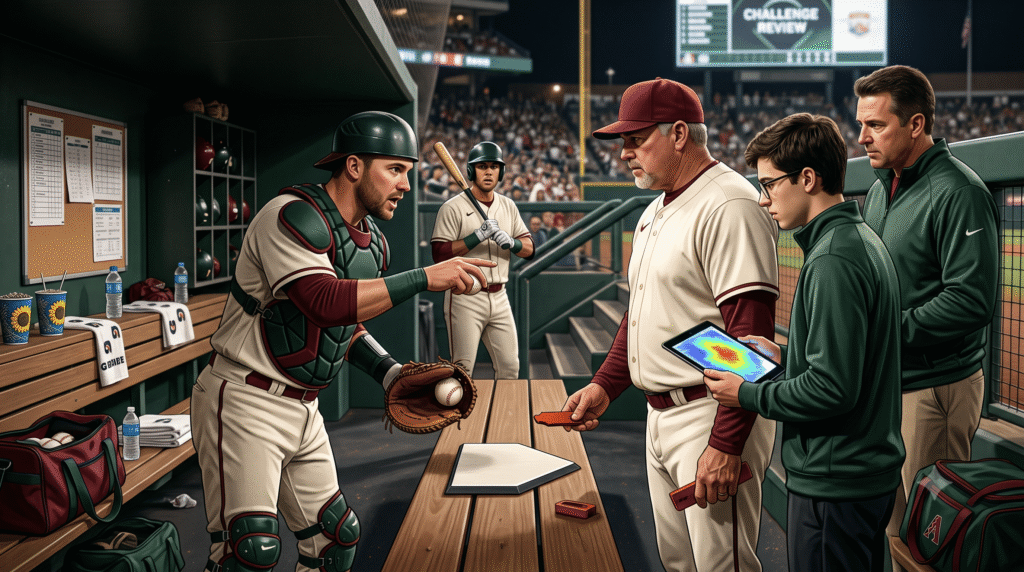
ABS also changes player behavior. The best challenges require more than protest. They require judgment under pressure. A hitter must know whether the pitch was far enough from the zone to risk a challenge. A catcher must decide whether the called ball is worth testing. A pitcher must act quickly without turning every borderline pitch into theater.
That makes ABS a new baseball skill. Teams are already learning how to conserve challenges, when to trust a catcher, when a hitter has the best view, and how late-game leverage should shape the decision. A bad challenge can matter because it removes a later chance. A successful challenge can extend an inning, end an at-bat, or turn a borderline call into a scoreboard event.
The public data reinforces that learning curve. Brew Crew Ball reported in mid-July that MLB had seen 6,040 ABS challenges by the All-Star break and that the Milwaukee Brewers had made 215 through 96 games, with catchers accounting for 68.8% of their challenges. That kind of team-level pattern suggests ABS is creating a new tactical vocabulary.
This is another reason the subject fits baseball literature. The sport’s great strategic shifts often begin as technical adjustments, then become stories about players learning a new version of the game. The lively ball era changed swings. Integration changed scouting, competition, and clubhouse life. Free agency changed roster building. Analytics changed field positioning and bullpen usage. ABS changes how players interact with the strike zone as an institution.
The first generation to grow up with the system will see the plate differently from players who learned to argue, frame, and guess inside a looser zone. That generational split may become one of the defining baseball stories of the 2020s.
Why This Rulebook Story Will Outlast The First Season
The 2026 ABS debate will not end with one season of overturn rates. The first season is only the beginning because baseball now has a public mechanism for comparing human judgment against system judgment. That will affect how fans talk about umpires, how broadcasters explain borderline pitches, how players think about the zone, and how the next generation of umpires is trained.
The most interesting baseball question is not whether ABS is good or bad in a simple sense. The better question is what kind of baseball memory it creates. Old strike-zone disputes depended on anger, reputation, and replay clips. New strike-zone disputes will depend on challenge records, overturn rates, and the visible speed of correction.
That changes the role of the umpire in baseball storytelling. The plate umpire is no longer only the final voice. He is the first voice in a process that can publicly disagree with him. Some fans will see that as accountability. Others will see it as the erosion of a human craft. Many will hold both positions at once, which is usually where baseball produces its best arguments.
ABS is turning the strike zone into a modern rulebook biography. It is a story about older umpires and younger umpires, written rules and measured calls, player instinct and machine review, the authority of experience and the authority of data. Baseball has always been a game of disputes recorded as memory. The 2026 ABS era gives the sport a new dispute to file beside its oldest ones.