
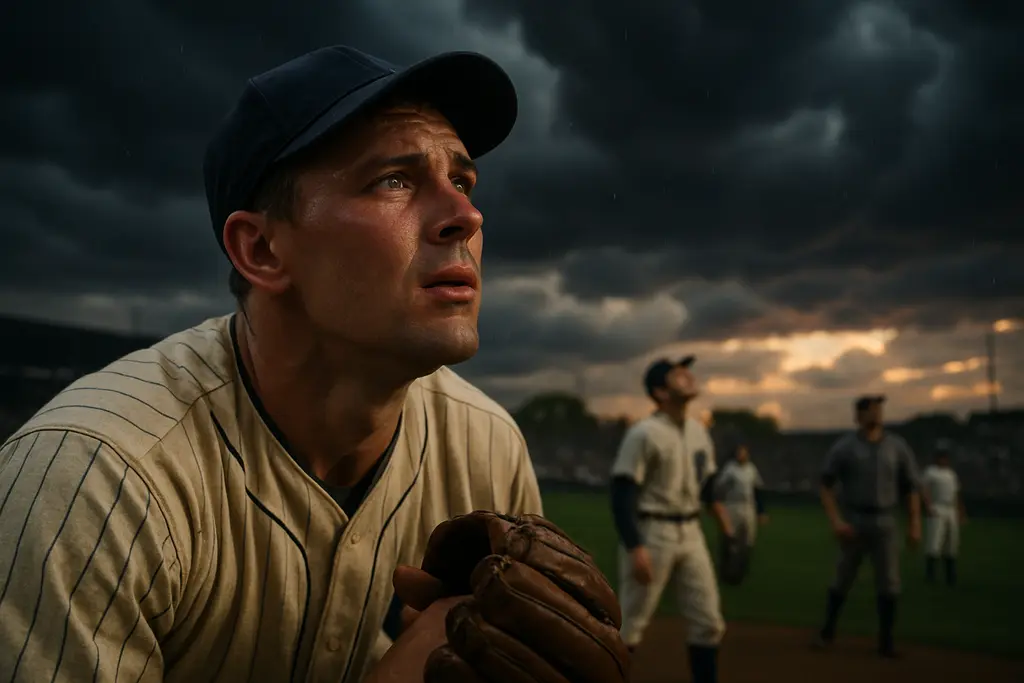
October Baseball Weather is not a side note in postseason history. It has shaped game timing, roster use, pitcher preparation, and the way leagues weigh competitive fairness against the calendar. The record does not support a simple claim that bad weather decides championships by itself. It does show that snow, cold, rain, and heat have repeatedly forced October baseball to adapt under pressure.
The issue became more visible as the postseason expanded and more games were placed in late October, and sometimes into November. Open-air ballparks remain part of baseball’s identity, but they also expose the sport to conditions that indoor sports avoid. That exposure has produced some memorable scenes, from snow at a World Series game in Cleveland to record heat at Dodger Stadium. The historical pattern is best read as an operational and competitive factor rather than as folklore.
Weather Became Part Of Postseason Structure
Cold, Snow, And The Margin For Error
On October 22, 1997, Game 4 of the World Series between the Florida Marlins and Cleveland Indians was played at Cleveland’s Jacobs Field with snow falling, a temperature near 38 degrees, and a wind chill reported near 18 degrees. MLB later listed it among notable cold and windy major league games in MLB’s review of cold games. That game remains a clear example of how postseason weather can become part of the competitive setting without changing the basic rules of play.
Cold weather changes the conditions around every baseball action. Pitchers still have to grip the ball. Hitters still have to react. Fielders still have to make routine plays while dealing with reduced comfort and, at times, reduced traction. The historical record does not allow a clean measurement of how much the 1997 conditions changed the outcome of that game. It does show that a World Series game can be played in conditions far removed from the summer setting that defines much of the regular season.
The 2009 National League Division Series in Denver offered a different form of weather impact. The game scheduled for October 10 was postponed because of snow and a forecast low around 26 degrees, then rescheduled for October 12. In that case, the issue was not playing through the weather but deciding that postponement better protected the competition and the event itself.
Rain Suspensions And Schedule Pressure
Rain has often posed a harder administrative problem than cold. A wet field can move a game from difficult to unplayable. The most notable example came in Game 5 of the 2008 World Series between the Philadelphia Phillies and Tampa Bay Rays. Heavy rain led to a suspension in the sixth inning on October 27, and the game was completed on October 29. It was the first postseason game suspended because of weather.
That event mattered because it clarified how October baseball had to handle fairness once a championship game had already started. A postponement before first pitch is one type of problem. A suspension after innings have been played is another. Managers have already used pitchers, pinch hitters, defensive replacements, and other tactical options. When play stops overnight, the contest resumes in a different physical and strategic environment.
Rain also affected later postseason schedules. On October 23, 2022, Game 4 of the American League Championship Series between the Houston Astros and New York Yankees was delayed about 84 minutes because of rain threats. On October 31, 2022, World Series Game 3 between the Astros and Phillies was postponed before first pitch because of sustained rainfall and moved to November 1, which shifted the remaining schedule. Those cases show that weather management is not only a field issue; it is a calendar issue for teams, broadcast operations, travel, and pitching plans.
How October Baseball Weather Changed Postseason Play
October Baseball Weather And Game Operations
October Baseball Weather affects more than the first pitch time. It can alter bullpen routines, bench timing, and how managers weigh rest against availability. A rain delay can leave a starter warmed up and waiting. A postponement can give one pitcher more rest while forcing another club to adjust its sequence. Baseball’s postseason structure magnifies those choices because series are short, off-days are fixed by the schedule, and every roster decision carries a higher cost than it would in April.
These pressures connect directly to roster construction. Teams that carry multiple relief options, flexible bench players, and starters capable of adjusting to changed rest patterns are better positioned to handle interruptions. That does not mean weather rewards one style of team every time. It means the postseason environment includes uncertainty that front offices and managers have to account for. For related roster context, Books on Baseball has examined how October roster moves shape short-series choices.
Ballpark design is part of the same discussion. Domes, retractable roofs, drainage systems, and field maintenance practices do not eliminate every problem, but they shape the range of possible outcomes. Older open-air parks carry different weather exposure than newer enclosed venues. The historical persistence of open-air parks can be seen in the continuing presence of venues such as Fenway Park and Wrigley Field, a subject examined in this site’s account of Fenway and Wrigley. For readers interested in the technical aspects alongside stadium operations, CAD/CAM Net provides insights into related technical themes within the same network.
Heat, Ballparks, And Competitive Context
Extreme postseason weather is not only about cold. On October 25, 2017, a World Series game between the Los Angeles Dodgers and Houston Astros at Dodger Stadium was played in 103-degree heat, which The Washington Post described as the hottest World Series game in more than 40 years in its report on the Los Angeles heat. That game widened the historical frame. October risk includes snow in Cleveland and heat in Los Angeles.
Heat raises different questions from snow or rain. It does not usually stop play in the same way as sustained rainfall, but it can affect stamina, hydration needs, ball flight, and fan comfort. The supplied research record also points to climatological work finding that average temperatures during the major league season from March 30 through October 1 rose by about 2.8 degrees across 26 of 27 MLB cities from 1970 to 2024. That finding does not prove that every postseason series will face extreme heat. It does support treating temperature as a planning factor, especially in non-dome stadiums.
There is also a performance question. Research referenced in the weather-baseball discussion found that a one-degree Celsius increase in game-day temperature was associated with about a 1.9 percent increase in home runs, and that warmer-than-average temperatures linked to climate change could account for more than 500 extra home runs from 2010 through 2019. Extending that question into October requires caution because postseason sample sizes are smaller, but the mechanism matters: temperature can change how a baseball carries, which can affect run scoring at the margins.
Modern Planning For October Baseball Weather
From Delay Decisions To Competitive Integrity
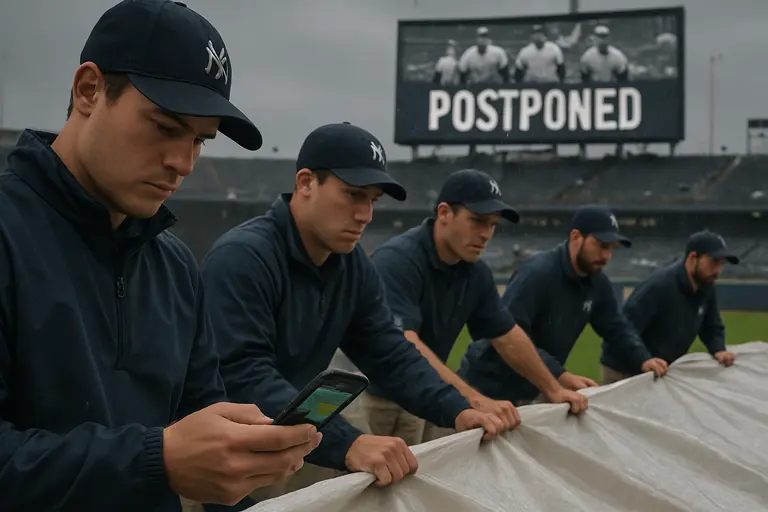
Modern postseason planning has to balance several priorities at once. The league wants games completed in fair conditions. Clubs want clarity for pitching plans and travel. Broadcasters and stadium staffs need predictable windows. Fans need safe access to and from the ballpark. None of those interests removes the central sporting question: whether the conditions allow a postseason game to be contested on terms that are acceptable for both teams.
The 2008 suspension in Philadelphia remains significant because it showed that baseball could stop a World Series game and resume it rather than force a compromised finish. The 2022 World Series postponement in Philadelphia showed a cleaner version of the same logic: if sustained rain was present before first pitch, moving the game preserved a more stable setting. The decision still created schedule effects, but it avoided starting a game in conditions that were already judged unsuitable.
Historical Context Without Weather Mythology
Baseball history often turns weather into memory. Snow flurries, visible breath, soaked infields, and late-night restarts become part of how a series is remembered. Analysis should separate memory from evidence. A cold game may be iconic without being decisive. A rain delay may be disruptive without determining the champion. A heat record may be striking without proving a broad trend by itself.
October Baseball Weather is best understood as a repeated stress test. It tests the rules, the schedule, the ballpark, and the roster. It also tests how well baseball’s decision-makers can preserve competitive order while accepting that the sport is still played outdoors in many of its most important settings.
October Baseball Weather As A Competitive Variable
October Baseball Weather has mattered because postseason baseball compresses consequences. A regular-season rainout can be absorbed into a long schedule. A playoff postponement can reorder starting pitchers, reshape bullpen rest, and move an entire series deeper into the calendar. A cold night can change the feel of the ball and the physical demands on players. A hot night can add stress of a different kind.
The strongest historical reading is cautious. Weather has not been a separate actor that replaces talent, tactics, or execution. It has been a variable that interacts with all three. From October 22, 1997, in Cleveland to October 31, 2022, in Philadelphia, postseason baseball repeatedly showed that the season’s final weeks are not played in neutral conditions. The sport’s history is partly a record of how teams, leagues, and ballparks responded when October refused to behave like summer.