
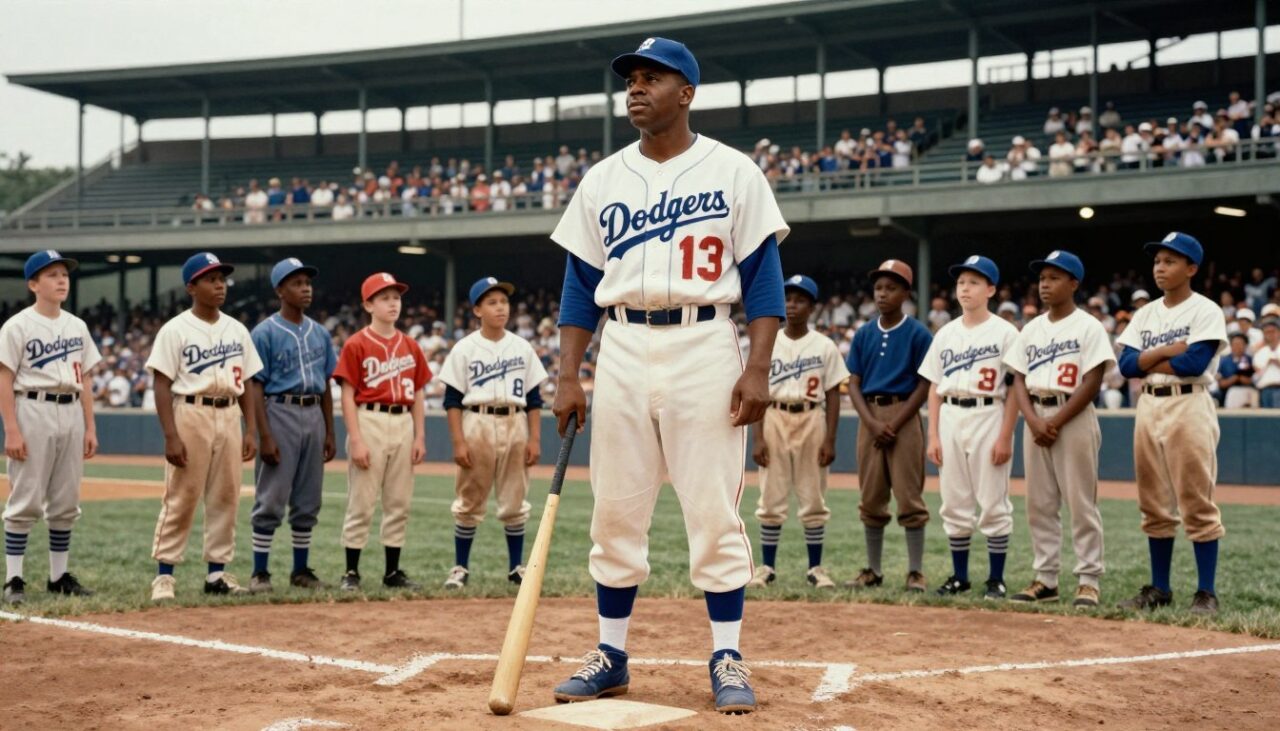
Jackie Robinson was born on January 31, 1919, in Cairo, Georgia. This was a time when America was very segregated. He grew up in a humble family, showing great talent in school and sports.
At UCLA, he earned varsity letters in several sports. This showed his incredible abilities.
On April 15, 1947, Robinson made history by becoming the first African American in Major League Baseball. This moment happened with the Brooklyn Dodgers, facing a lot of scrutiny and hostility. His courage and leadership broke barriers in sports and inspired the civil rights movement.
Robinson’s journey was more than just baseball. He faced a lot of hostility but stayed calm. His actions helped start a movement that went beyond baseball. His legacy reminds us that one person can change history. To learn more, visit Jackie Robinson’s Enduring Legacy.
Other Key Figures in Integration
The journey towards integration in Major League Baseball involved many key figures beyond Jackie Robinson. Robinson’s debut in 1947 was a big step, but it was just the start. It took until July 21, 1959, for the Boston Red Sox to call up Elijah “Pumpsie” Green, ending segregation in the MLB. This showed how different teams reacted to the changing baseball world.
Some teams welcomed change fast, while others were slow. Players like Hank Aaron, Willie Mays, and later Barry Bonds became legends. Aaron, in particular, faced a lot of racism as he chased Babe Ruth’s home run record. His determination not only made him a legend but also inspired many.
Willie Mays was known for his incredible talent and charisma. He won over fans and left a lasting impact on the game. Barry Bonds, whose career was built on Robinson’s foundation, also broke new ground for African American athletes.
These athletes faced unique challenges as Black players in a new, integrated sport. They faced racism not just on the field but in everyday life, like housing and travel. Despite these obstacles, they became symbols of civil rights in sports, whether they meant to or not.
Their achievements helped change stereotypes about African Americans in leadership and high-pressure roles. Their combined efforts show that integration was a long, courageous movement that took nearly two decades.
Impact on Teams and Communities
Baseball integration had a big impact on teams and communities. Jackie Robinson’s entry into Major League Baseball changed the sport and sparked social change in America.
Robinson’s joining the Brooklyn Dodgers brought in new fans. African Americans, once excluded, found a team to support. This change in fans helped teams connect better with their communities. Other teams, like the Cleveland Indians with Larry Doby, saw similar changes.
Integrated teams showed a changing America. They made white players, coaches, and executives face their biases. The presence of Black players led to talks on civil rights in sports and society.
Here are some key impacts of baseball integration:
- Increased Fan Engagement: Teams drew fans from all backgrounds, boosting attendance and support.
- Economic Boost: Local businesses, including Black-owned ones, saw more customers from game attendees.
- Social Change: Integration sparked talks on equality and justice in many areas of life.
- Support for Civil Rights: Players like Robinson worked with groups like the NAACP for desegregation in schools and public places.
The economic impact on Negro League teams and Black businesses was significant. Integration brought progress but also led to the decline of the Negro Leagues. Black newspapers shifted to cover integrated players while pushing for full equality.
In conclusion, baseball integration changed the sport and the social and economic fabric of cities. The legacy of Jackie Robinson and others continues to shape the game and its communities today.
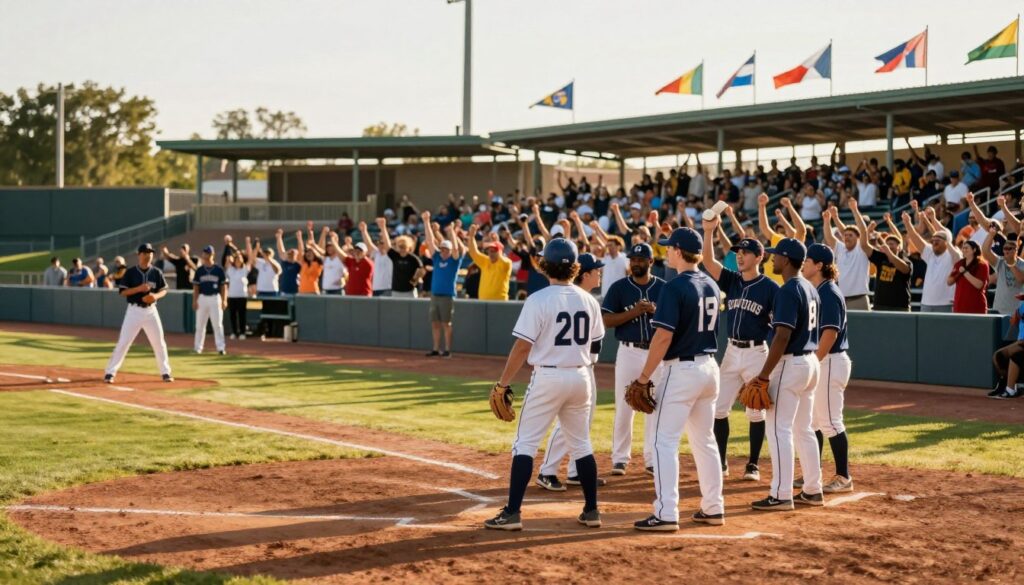
Long-Term Effects on Baseball
Jackie Robinson’s impact on baseball has been huge. His career changed how people saw race and talent. He broke down barriers in jobs, schools, and homes.
The Jackie Robinson Foundation started in 1973. It gives scholarships and helps minority students grow. His story teaches about never giving up and fighting for fairness.
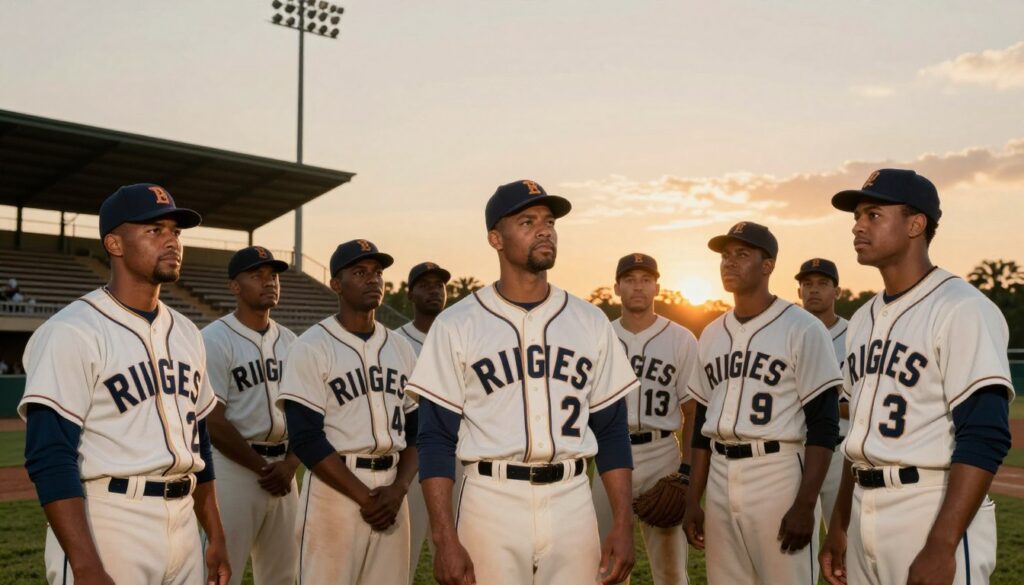
Black players changed baseball’s game. They brought speed, strength, and new strategies. In the 1950s to 1970s, Black players won many MVP awards. This proved they were just as good as anyone else.
Baseball’s example helped other sports leagues open up. It took time, but more people of color started to lead teams. But, it took even longer for them to reach top positions.
Every April 15, MLB honors Robinson with Jackie Robinson Day. Players wear number 42 to remember his fight for equality. This teaches new fans about civil rights in sports and the importance of fairness.
| Year | Event | Impact |
|---|---|---|
| 1947 | Jackie Robinson’s MLB Debut | First African American player in modern MLB, breaking the color barrier. |
| 1973 | Foundation Established | Jackie Robinson Foundation founded to support minority students. |
| 1997 | Retirement of Number 42 | All players wear number 42 to honor Robinson’s legacy. |
Continuing the Legacy in Present-Day Baseball
Jackie Robinson’s legacy lives on, inspiring today’s generations to fight racial inequality. His bravery is a beacon for those pushing for civil rights in sports. The Players Alliance, made up of Black Major League players, is a key player in this fight. They strive for equality and opportunities in baseball and beyond.
The number of African American players in Major League Baseball has dropped. It fell from nearly 19% in the 1980s to about 7% today. Yet, efforts to change this are underway. Urban baseball academies, youth programs, and scholarships aim to bring baseball to everyone.
Today’s players use their voices to speak out against racial injustice. They wear special jerseys and talk about racial violence. They show how baseball integration and civil rights are connected. There’s a push for more diversity in coaching and front office roles, too.
Robinson’s example of standing up for what’s right continues to inspire athletes everywhere. His story teaches us that the fight for justice never ends. As we celebrate his legacy, we must keep working towards equality. Every step we take helps keep his dream alive. For more on Robinson’s lasting impact, visit this link.