
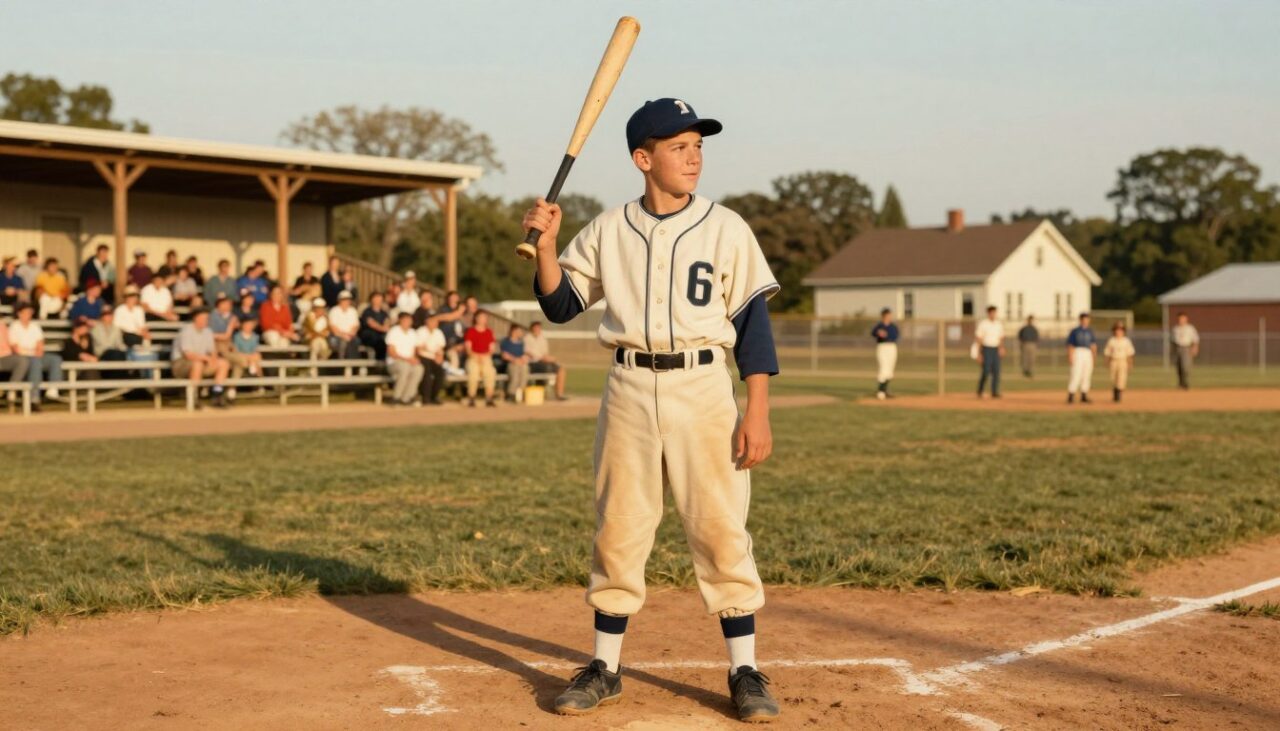
Theodore Samuel Williams was born on August 30, 1918, in San Diego, California. His childhood was filled with baseball. His father, Samuel Steward Williams, ran a passport photography shop. His mother, May Venzer Williams, had Mexican roots and worked for the Salvation Army.
Williams loved baseball from a young age. He would bring his bat to school and practice after class. This passion for baseball was clear from the start.
In his teenage years, Williams played for the American Legion and his high school team. He quickly learned to spot good pitches. He was not afraid to walk if the pitches were bad.
In 1936, he started his professional career with the San Diego Padres. The next year, the Padres sold him to the Boston Red Sox. This marked the beginning of his 19-season career.
Williams was known for his fiery temper and dedication to hitting. At nineteen, he aimed to be the greatest hitter ever. This ambition shaped his career and left a lasting impact on baseball.
Dedication and Obsession
Ted Williams showed a dedication that few athletes have. His love for baseball made him one of the most respected baseball legends. He was not just a player; he was a perfectionist, always trying to get better.
Williams had incredible 20/10 eyesight. This vision let him read spinning records and tell the difference between fastballs and curveballs. This skill helped him make smart choices at the plate, turning each at-bat into a learning experience.
His hitting was legendary. He only swung at good pitches, setting a record for on-base percentage of .482. This shows his patience and understanding of the game.
Williams practiced hard, even in hotel rooms. He swung his bat so hard, he sometimes broke furniture. This shows his commitment to being the best.
In his book, My Turn at Bat, Williams said he remembered everything about his first 300 home runs. This shows his amazing memory and dedication. S. L. Price of Sports Illustrated said Williams’s speech was unique, filled with jock, fishing, and military terms. This shows how fully he was dedicated to baseball.
The Smithsonian documentary The Immortal: Ted Williams shows his dedication. It calls him a rare figure who could do the impossible. His love for hitting was not just athleticism; it was an art that combined science and emotion.
| Attribute | Description | Impact |
|---|---|---|
| 20/10 Eyesight | Exceptional vision for distinguishing pitches | Increased batting accuracy |
| On-base Percentage | Career record of .482 | Demonstrates discipline and skill |
| Practice Habits | Relentless practice, even in hotel rooms | Refined hitting technique |
Key Achievements and Records
Ted Williams had an amazing career in baseball. In 1941, he was just 23 and batting .400. His manager asked him to sit out to keep his average high. But Williams chose to play both games, getting six hits and ending the season with a .406 average.
This was the start of his league dominance. He won his first six American League batting championships and four home run titles. In 1942, he won his first Triple Crown with a .356 average, 36 home runs, and 137 RBIs.
In 1947, Williams won his second Triple Crown. But he lost the MVP award to Joe DiMaggio by just one vote. He was named American League MVP in 1946 and 1949. In 1957, at nearly 40, he hit .388, the highest average by an older player.
Williams retired in 1960 with a .316 batting average and 521 home runs. His career stats are impressive: a .344 lifetime average, 2,292 games played, and 2,654 hits. He missed nearly five seasons for military service.
In 1966, he was inducted into the Baseball Hall of Fame. His speech highlighted his humility, pride, and the importance of hard work. For more on baseball statistics, see this guide on reading a baseball box.
Influence on Future Generations
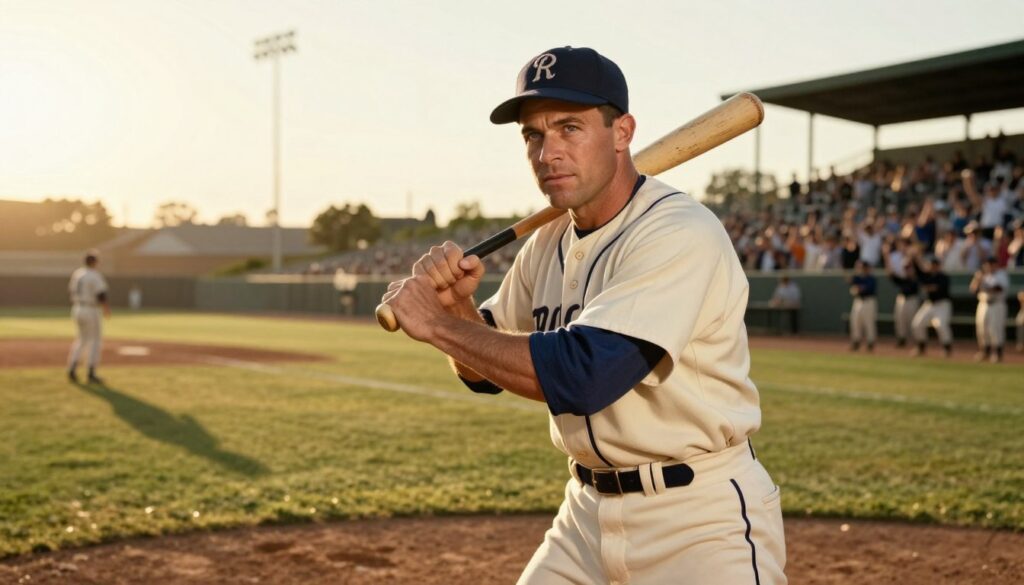
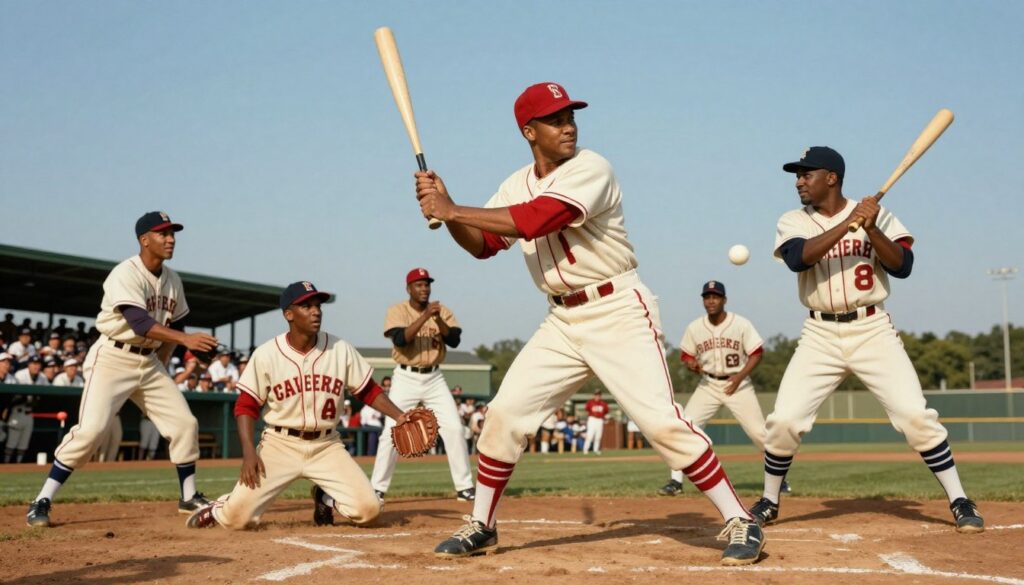
Williams’ impact goes beyond his playing days, inspiring many baseball legends. He fought hard for minority players to be recognized in baseball. His efforts helped bring honor to stars from the Negro Leagues in the Baseball Hall of Fame.
He also pushed for inclusivity, making it easier for players from all backgrounds to succeed. This change helped the sport grow and become more diverse.
In 1994, Williams started the Ted Williams Museum and Hitters Hall of Fame in Florida. Known as “the Cooperstown of the South,” it celebrates great hitters. In 1995, he created the Greatest Hitters Award to honor batting excellence.
The 1999 All-Star Game at Fenway Park was a special moment. Stars like Cal Ripken Jr. and Tony Gwynn honored Williams. This tribute showed the deep respect he earned from his peers.
Williams also wrote “The Science of Hitting” in 1971. This book is a must-read for aspiring players, sharing hitting techniques and strategies. His teachings continue to guide new generations of players.
Williams also supported charities like the Jimmy Fund, helping kids with cancer. His kindness showed a different side of him. Through his work, Williams has made a lasting impact on baseball, inspiring others to follow his path.
Ted Williams’ Enduring Legacy
Ted Williams is a giant in baseball history. His impact goes beyond just numbers and awards. He left us on July 5, 2002, but his legacy lives on. Fenway Park honored him by cutting a giant 9 into the grass, a nod to his iconic jersey number.
Thousands came to Fenway to say goodbye, showing how much he meant to the game. A red chair in right field remembers his record-breaking 502-foot home run. It’s a symbol of his power and lasting impact.
After his death, a debate started over his son’s decision to freeze his body in Arizona. This choice brought up questions about family and legacy. Yet, Boston honored him by naming a tunnel after him in 1995, showing his place in the city’s heart.
Many wonder what Williams could have achieved if he hadn’t served as a Marine pilot. His service shows his character and adds to his story. He helped make baseball a beloved national sport, a legacy that endures.
In his last days, Williams loved watching baseball, proudly cheering for the Red Sox. His passion for the game will always be remembered, making him one of the greatest.