
By Avery Collins | June 17, 2026
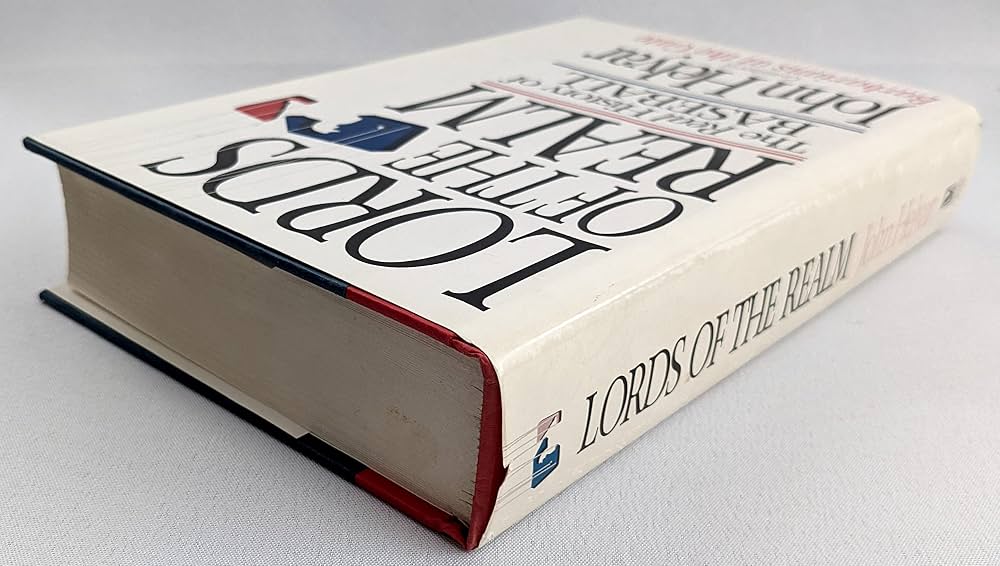
Modern baseball economics operate on an astronomical scale. Franchises trade hands for billions, and regional broadcasting rights fund massive payrolls. Reading John Helyar’s 1994 masterpiece, Lords of the Realm, forces readers to trace the origins of this massive financial engine. Helyar did not write a book about the athletes on the dirt. He wrote a corporate thriller about the men in the luxury suites. He exposed the egos, the blunders, and the sheer greed that transformed a pastoral pastime into a corporate monopoly.
When fans look at current Major League Baseball franchise valuations, they see the result of a bitter, decades-long labor war. Helyar’s text captures the specific era when the owners held absolute control, only to watch it slip away due to their own arrogance.
The Ego and the Cartel
Before the 1970s, the men who owned these teams operated a legalized cartel. They used the reserve clause to suppress wages and control player movement entirely. Helyar documents this paternalistic system with sharp, objective clarity. He introduces readers to figures like Charlie Finley and Gussie Busch, framing them not as benevolent custodians of the sport, but as ruthless businessmen terrified of losing their leverage.
The narrative shifts dramatically with the arrival of Marvin Miller. Helyar positions Miller as the quiet, brilliant antagonist who taught the players how to break the cartel. Studying these landmark events in baseball history provides critical context for every single labor dispute we witness today. Miller did not just win arguments; he dismantled an entire economic structure piece by piece.
A Financial Autopsy of the Game
The most compelling chapters of the book detail the collusion scandal of the 1980s. Peter Ueberroth took over as commissioner and convinced the owners to stop bidding against each other for free agents. Helyar treats this period like a true-crime story. The owners actively conspired to suppress the open market, leaving high-profile stars without contract offers. They left a paper trail of their conspiracy, eventually paying a massive financial penalty when arbitrators discovered the scheme.
This era permanently shattered whatever remaining trust existed between the clubhouse and the boardroom. Modern labor negotiations still carry the scars of this betrayal. When you read coverage from modern sports business analysts regarding current collective bargaining agreements, the echo of the 1980s collusion scandal remains loud and clear.
| Economic Era | The Owners’ Strategy | The Union’s Response |
| Pre-1975 | Enforce the reserve clause; treat players as permanent property. | Hire Marvin Miller; educate the players on fundamental labor rights. |
| The 1980s | Implement secret collusion to freeze the free agent market. | File immediate grievances; win massive damages through independent arbitration. |
| Early 1990s | Push for a hard salary cap and revenue sharing among clubs. | Launch a devastating player strike to protect free market capitalism. |
The Labor Wars That Shaped the Sport
Helyar published his book just as the devastating 1994 strike began, giving the text an eerie, prophetic quality. He perfectly diagnosed the structural flaws that led to the cancellation of a World Series. The owners despised the union, but they despised each other even more. Big-market owners fought small-market owners over television revenue and simultaneously tried to break the players’ association.
Reading this text today acts as a necessary anchor for fans studying the broader history and eras of the game. Helyar proves that the most important actions rarely happen on the field. The shape of the modern sport was forged in courtroom depositions and tense hotel conference rooms. The decisions made by these men dictate every pitch we watch on global sports networks today.
Grade: A (Required Financial History)
Best For: Fans fascinated by sports business, readers who want the real story behind player strikes, and anyone tired of the romanticized version of baseball history.