
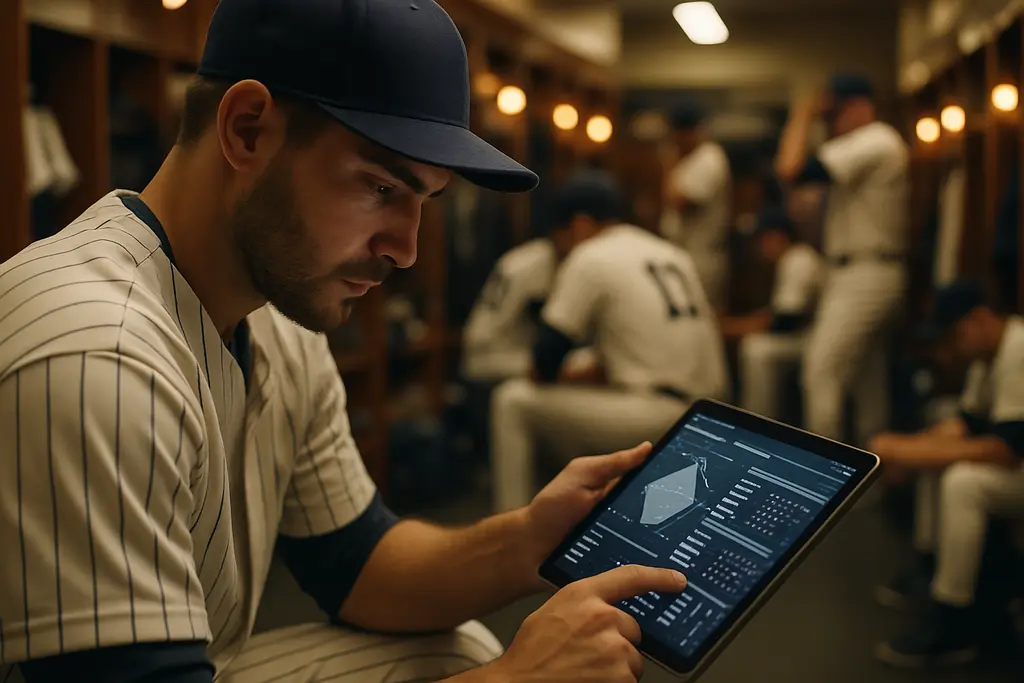
The 154-game schedule proposal has not been adopted as of October 12, 2026, but it is already a useful stress test for how clubs might rethink player development. MLB has proposed moving from 162 games per team to 154 beginning with the 2029 season, with a weekly Monday off-day for most teams and a Thursday off-day for teams that play on Monday, according to MLB’s report on the proposal. Any development analysis has to start there: fewer games, more planned recovery, and a different rhythm for roster movement.
The proposal sits at the intersection of labor policy, player health, and competitive planning. A shorter regular season would not automatically make clubs more patient with prospects, and it would not remove the pressure to win marginal games. It could, however, change the cost of each promotion, bullpen shuttle, rehab ramp, and workload decision. That is where player development departments would need to adjust.
Why The 154-game schedule Matters
The shift from 162 to 154 games would remove eight regular-season dates per club. That sounds modest, but the effect would be spread across pitching plans, bench usage, minor league call-ups, and statistical evaluation. A club that once planned around long stretches without rest would be planning around a more predictable weekly break. That matters because player development is no longer limited to the minor leagues. It continues on the major league roster, especially for rookies, young relievers, second-catcher types, utility players, and optionable depth arms.
How The 154-game schedule Changes Rest
Weekly rest is the clearest development variable in the proposal. If most clubs received Mondays off, the structure could reduce the need to churn the final bullpen spot after difficult weekend series. For young pitchers, that could mean fewer emergency appearances after heavy usage patterns. For position players, it could mean fewer starts made purely because the schedule left no better recovery window.
This does not prove that injuries would fall. The research available from the proposal supports only a cautious reading: MLB has framed weekly rest as good for player health, and clubs would have a clearer chance to manage fatigue. Development staffs would still need to judge workload through pitch counts, recovery markers, travel, role stability, and prior usage.
Labor Conditions Shape The Timeline
The proposal is not a stand-alone schedule reform. Reporting on the labor talks stated that the schedule changes were tied to MLB and the Players Association reaching agreement on a salary cap and floor system, as noted by CBS Sports’ labor coverage. That condition matters for player development because payroll rules affect how clubs value pre-arbitration players, roster depth, and optionable talent.
If the schedule concept remained tied to a cap-and-floor framework, player development departments would not be evaluating only eight fewer games. They would be working inside a possible new economic model. A tighter payroll system could raise the value of inexpensive major league contributors. A floor could change spending incentives for clubs that have relied heavily on low-cost roster construction. The available reporting does not settle those effects, so the safer point is that development strategy would be linked to both schedule design and labor economics.
Player Development Effects By Role
Development strategy differs by role. A starting pitcher, a multi-inning reliever, a top position prospect, and a bench player do not experience the season in the same way. A shorter schedule with more formal rest would push clubs to revisit each path from the minors to the majors.
Young Pitchers And Recovery
Pitchers are the most obvious group affected by weekly rest. The proposed format could let clubs space starts with less strain during certain stretches. It could also reduce the number of bullpen games or short-rest patches created by schedule congestion. For a young starter being stretched out, that may support a steadier build from four or five innings toward a larger role.
The Division Series piece of the proposal matters here, too. MLB’s plan included expanding the Division Series from best-of-five to best-of-seven starting in 2029. A longer postseason round would place more value on top starters who can work deeper into games. Development staffs could respond by prioritizing durable pitch mixes, third-time-through-lineup skills, and recovery between appearances. That does not mean every prospect would be pushed faster. In some cases, it could support the opposite: a more controlled path designed to prepare a pitcher for meaningful innings beyond September.
For relievers, the incentive may be less about raw innings and more about repeatability. More off-days can reduce the need for constant bullpen reinforcement. If a club does not need to option a fresh arm as often, a young reliever may receive a longer evaluation window in one role. That can help coaches judge command, pitch usage, and game planning without the noise of frequent roster moves.
Position Players And Promotion Timing
For hitters, the development question is different. Fewer games mean fewer plate appearances at the major league level if playing time is unchanged. That could make clubs more selective with prospect promotions, especially for players who need daily at-bats. A club may decide that a young hitter is better served playing every day in Triple-A than sitting twice a week in the majors during a shorter season.
At the same time, stable rest days could make a bench role less disruptive. A rookie infielder asked to cover multiple positions might receive more structured work between games. A young catcher could benefit from planned recovery, video review, and pitcher meetings that are not squeezed between long travel sequences. The central issue is not simply whether a player reaches the majors earlier. It is whether the major league environment gives that player enough repetition to keep developing.
There is also a draft-pipeline angle. The research notes MLB’s proposal to make college players draft-eligible after two seasons instead of three. If adopted, that could move certain amateur players into professional development earlier. Clubs would need to decide whether younger college draftees require longer minor league timelines or whether earlier entry gives player development staffs more time to shape swing decisions, defensive positioning, and strength programs. For a related look at how development and cost control interact, see MLB player development and 2026 economics.
Roster Movement And Evaluation Windows

Roster strategy is where the schedule proposal becomes measurable. The research notes that, under weeks with off-days, teams could see 24 percent fewer optional assignments per week: 1.45 optional assignments compared with 1.90 in weeks without off-days, based on 2022-25 data. That is a roster mechanics finding, but it has a development consequence.
Optional Assignments Could Fall
Option churn can solve a short-term pitching problem while creating a long-term development problem. A young player sent back and forth between Triple-A and the majors may face interrupted routines, irregular coaching messages, and uncertain role expectations. If more off-days reduce the need for shuttling, clubs could keep optionable players in one environment longer.
That stability would not help every player equally. Some prospects benefit from major league exposure even in short bursts. Others need uninterrupted minor league playing time. The proposed schedule would not remove that judgment. It would change the frequency with which clubs face the decision. A lower assignment rate could make the final roster spots less reactive and more developmental.
Counting Stats And Evaluation Models
A move from 162 to 154 games would reduce opportunity by eight games, or about five percent of the schedule. Counting totals such as hits, home runs, innings, wins, runs batted in, and strikeouts would face a smaller runway. Rate statistics would be less directly affected, though playing time thresholds would matter.
This matters for arbitration cases, award comparisons, prospect benchmarks, and internal evaluations. A 200-hit season or a 100-RBI season would become harder in a shorter format, not necessarily because the player performed worse, but because the calendar offered fewer chances. Clubs would need to normalize counting data more carefully. Development departments already compare players across leagues, parks, ages, and roles. A shorter major league schedule would add another adjustment.
For more insights on related sports policies, Wikiapp offers additional resources, all interconnected with the discussions presented by the MLB schedule proposal and its labor implications.
154-game schedule And Development Strategy
If adopted for 2029, the 154-game schedule would not create one universal development model. Clubs with strong pitching depth might use the extra rest to keep starters on steadier routines. Clubs with thin bullpens might value optionable arms less as emergency coverage and more as longer-term role candidates. Clubs with top position prospects might weigh the cost of lost minor league plate appearances against the benefit of earlier major league instruction.
The clearest strategic change is that development and roster management would become harder to separate. Fewer games raise the value of each appearance, while more off-days reduce some of the stress that drives short-term transactions. That combination could reward clubs that plan promotions around role, rest, and skill targets rather than schedule panic. The proposal remains unsettled as of October 12, 2026, so firm claims would go beyond the evidence. What can be said is narrower and more useful: if the structure arrives in 2029, player development staffs will need to treat the calendar itself as part of the development plan.