
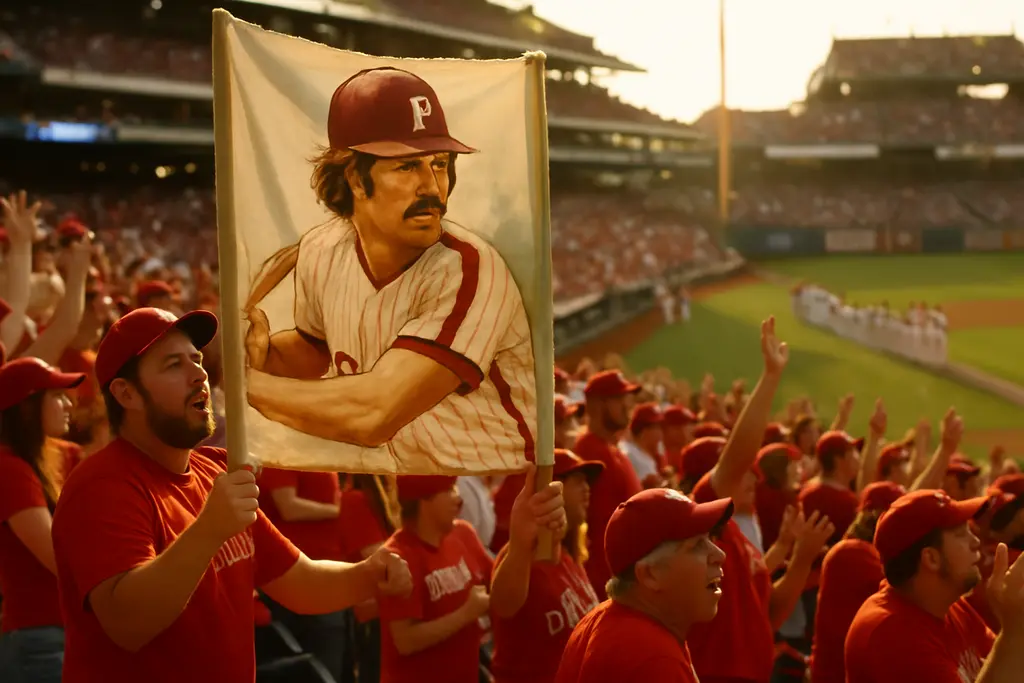
Phillies Fan Engagement in 2026 was not a single story about crowd size. It was a record of how Philadelphia baseball culture worked through attendance, ballpark design, food service, family spaces, premium areas, civic events, and the familiar edge of local fan behavior. The lesson from the season was clear enough to measure but still easy to misread: winning mattered, yet the franchise also benefited from habits built across seasons and reinforced by the physical experience of Citizens Bank Park.
As of the available record through September 1, 2026, Philadelphia drew 2,708,850 home attendees at Citizens Bank Park, an average of 39,836 per game, ranking third in the National League in total attendance, according to the Baseball-Reference attendance table. That figure did not stand alone. In 2025, the club reached 3 million in total attendance for the third straight season, averaged 41,888 per home game, and had 60 of 71 home dates exceed 40,000 fans, according to the Phillies announcement.
Phillies Fan Engagement In The 2026 Gate
Attendance As Evidence, Not Atmosphere
Attendance is not a complete measure of loyalty, but it is one of the firmer public records available. Philadelphia’s 2026 figures showed a fan base still willing to make repeated trips to the ballpark after multiple high-drawing seasons. That continuity matters because baseball attendance is built day by day. A club must sell April weeknights, summer family dates, premium inventory, group outings, and high-demand rivalry games. The 2026 record indicated that the Phillies remained near the top of the National League by drawing across that full mix.
The 2025 figures supplied the historical bridge. Reaching 3 million for a third straight season placed the franchise in a sustained attendance period rather than a one-year spike. The average crowd of 41,888 and the 60 home dates above 40,000 fans suggested a high floor of demand. In that context, the 2026 total through September 1 looked less like an isolated count and more like part of a durable Philadelphia pattern.
Phillies Fan Engagement As A Ballpark Habit
Phillies Fan Engagement has long depended on more than the box score, and the 2026 season made that point in practical terms. Fans were not only buying a seat for nine innings. They were buying a night in a familiar civic setting, a chance to revisit team memory, and access to a ballpark that had been adjusted to serve different kinds of spectators. That included families with children, fans seeking social spaces, collectors drawn to memorabilia, and long-time followers who value franchise memory.
For historians of the game, this is where the 2026 season fits within a broader Philadelphia baseball pattern. The city’s baseball identity has often carried a public voice: demanding, funny, impatient, loyal, and deeply aware of its own reputation. The reported booing during the July 15, 2026 MLB All-Star Game, including reactions toward American League players and mascots, was part of that recognizable civic style. It was not polite theater, but it was engagement in the literal sense: fans were present, audible, and actively shaping the event’s tone.
Ballpark Investment And Historical Memory
Spaces Built For Different Fans
Before the 2026 season, the Phillies announced several fan-facing changes at Citizens Bank Park. The reworked Cadillac Hall of Fame Club, expanded New Era Phillies Team Store, improved suites, and updated exhibits were presented in the build-up to the Home Opener and MLB All-Star Week. These were not merely cosmetic changes. They signaled that the organization viewed the ballpark as an interpretive space, where shopping, club areas, displays, and hospitality all contributed to how fans understood the franchise.
The food and beverage additions told a similar story. New destinations included a combined Freddy’s Frozen Custard & Steakburgers plus Chickie’s & Pete’s location in the Home Plate section, the GHOST Energy Deck in the Left Field Porch, and player-inspired menu items. Food at a baseball park can be dismissed as a side issue, but in attendance terms it is part of the reason families, groups, and casual spectators choose to spend several hours at the venue rather than follow from home.
Family, Premium, And Social Uses
The 2026 updates also reached premium and family areas. The Philadelphia Insurance Club behind home plate gained a presenting sponsor; the PJ Fitzpatrick Rooftop was enhanced; and the King Swings Playground was built near the First Base Gate. These changes point to a layered model of attendance. Some spectators seek premium seating and controlled access. Others need child-friendly space. Still others prefer open social areas where the game remains central but conversation and movement are part of the visit.
This balance is one lesson from the season. The Phillies were not treating the crowd as one uniform audience. They were serving separate habits within the same building. That approach helped connect long-time baseball customs to newer expectations around comfort, food variety, and flexible gathering areas. For readers comparing sports-culture coverage across the same network, the site AP Levante discusses how venue habits shape loyalty around clubs and communities.
All-Star Week And Civic Scale
A National Event With Local Behavior
Philadelphia hosted the Capital One All-Star Village from July 11-14, 2026, at the Pennsylvania Convention Center. The event included meet-and-greets with Phillies figures such as Cole Hamels and John Kruk, indoor baseball-themed activations, youth tournaments, and family or group ticket options. The All-Star Game followed on July 15, 2026, at Citizens Bank Park, where 43,916 fans attended.
Those dates gave Philadelphia more than a showcase. They created a test of whether local baseball culture could scale up to a national MLB event without losing its character. Based on the reported fan reaction inside the park, the answer was yes. The city presented the sport with a crowd that behaved much like Philadelphia crowds have often been described: invested, loud, and willing to treat an exhibition setting as a serious public stage.
Connecting The 2026 Event To Earlier Eras
The All-Star setting also placed Citizens Bank Park in Philadelphia’s longer ballpark story. The city had already carried All-Star memories through earlier venues, and the 2026 game gave the current park its own place in that sequence. A related account of the city’s All-Star record is available in this site’s analysis of Philadelphia All-Star Game eras.
The overlap with America’s 250th anniversary added civic weight to the season. The research record supports a cautious reading: the Phillies used the timing to connect the franchise to public memory and city identity, but the measurable attendance strength also rested on patterns that were already in place. A major event can amplify fan attention. It rarely creates durable loyalty by itself.
Community Participation Beyond The Seat

Auctions, Access, And Responsibility
The 14th annual Phantastic Auction, held May 13, 2026, showed another side of engagement. Fans could bid on experiences involving players such as Bryce Harper and Kyle Schwarber, along with memorabilia. Events like that matter because they convert spectatorship into participation. A fan who bids on an experience is no longer only consuming the game; that fan is entering a club-managed social exchange tied to charity, access, and memory.
Responsible travel also appeared in the 2026 record. The “Decide to Ride” program, involving TEAM Coalition, Anheuser-Busch, and other partners, encouraged fans to plan responsible transportation. During All-Star events, 2,500 fans who took the pledge through the MLB Ballpark App received free bottled water. That detail is modest beside attendance totals, but it belongs in the same analysis because fan engagement includes behavior before and after the final out.
What The Phillies Model Suggests
The 2026 evidence supports a restrained interpretation. The Phillies benefited from strong attendance, but the more useful lesson lies in the design of the relationship between club and public. The team offered history exhibits, premium amenities, food variety, child-friendly additions, charity participation, civic spectacle, and responsible-travel messaging. Each piece addressed a different reason people attach themselves to a baseball team.
Phillies Fan Engagement in this sense was not only emotional. It was operational. It depended on a franchise’s ability to turn a home date into a recurring habit and to make that habit feel connected to Philadelphia’s memory of itself. The 2026 season showed that such attachment can be measured in gates, heard in crowd behavior, and seen in how the ballpark was altered to serve fans who do not all experience the game in the same way.
The 2026 Phillies Fan Engagement Lesson
The best reading of the 2026 season is not that Philadelphia fans appeared from nowhere for a special event. The record points to continuity. Strong attendance in 2025 carried into another high-demand year through September 1, 2026. All-Star Week gave the city a larger stage, but the stage worked because the habits were already established.
For baseball history, that is the durable point. The Phillies showed that fan loyalty is renewed through repetition: the familiar entrance, the food stop, the child’s first playground visit, the premium-seat gathering, the charity auction bid, the All-Star memory, and the collective sound of a Philadelphia crowd. The franchise’s 2026 lesson was that engagement survives when the club treats fans not as a single mass, but as overlapping communities with different needs and a shared attachment to the same team.